UN: Rising 'heat stress' among workers to cost global economy $2.4tr a year

Michael Holder
clock • 3 min read

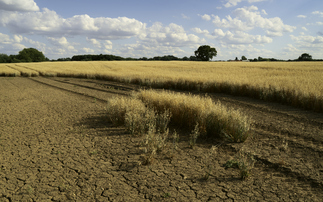
Heat stress linked to climate change is set to have a massive impact on global productivity and economic losses, UN warns

The number of people suffering from excess "heat stress" at work is set to grow as climate change worsens, potentially costing the global economy $2.4tr every year from 2030 even if the world manages to...

To continue reading this article...

Join BusinessGreen

In just a few clicks you can start your free BusinessGreen Lite membership for 12 months, providing you access to:

  • Three complimentary articles per month covering the latest real-time news, analysis, and opinion from Europe’s leading source of information on the Green economy and business
  • Receive important and breaking news stories via our daily news alert
  • Our weekly newsletter with the best of the week’s green business news and analysis

Join now


Already a BusinessGreen member?

Login

More on Climate change

Global Briefing: Spain earmarks €9bn for housing and transport in 'Social Climate Plan'

Global Briefing: Spain earmarks €9bn for housing and transport in 'Social Climate Plan'

May temperatures in Saudi Arabia reaching extremes previously confined to summer , report finds countries can ‘dramatically impact’ plastic pollution without global consensus, and Spain earmarks €9bn for energy transition

Stuart Stone
clock 29 May 2026 • 8 min read
WMO: World set to face yet more record hot years this decade

WMO: World set to face yet more record hot years this decade

UN's World Meteorological Organisation warns it is 'very likely' that global temperatures will temporarily exceed 1.5C for at least one year by 2030

clock 28 May 2026 • 4 min read
'Profound implications': Study finds Arctic Ocean ecosystem may have already passed 'major tipping point' in 2009

'Profound implications': Study finds Arctic Ocean ecosystem may have already passed 'major tipping point' in 2009

Irreversible shift in Arctic Ocean chemical make-up driven by climate change has disrupted the region’s food chain for more than a decade, study suggests

Stuart Stone
clock 28 May 2026 • 4 min read