
Opinion

Buildings
The government has no discernible strategy for reducing energy demand across the vast majority of non-residential buildings in England and Wales, writes Andrew Warren
 10 July 2026
•
3 min read
10 July 2026
•
3 min read

Politics
A targeted, sufficient energy bill support scheme that delivers immediate help while supporting fuel-poor households to lower their bills permanently is essential, writes Polly Billington MP, chair of the All-Party Parliamentary Group for Renewable and...
09 July 2026
•
4 min read

Supply chain
The UK financial system still treats regenerative agriculture is 'high risk', writes Marc Palahi, CEO of the Circular Bioeconomy Alliance and chief nature officer at Lombard Odier
08 July 2026
•
6 min read

IT
George Curtis at Carbon Neutral Group argues carbon accounting needs to get a grip on AI's fast-growing footprint
07 July 2026
•
5 min read

Policy
A just transition to net zero only becomes real when fairness is embedded in the rules that shape it, writes Dr Andrea E. Izquierdo from Argentina's CONICET-National University of Córdoba
06 July 2026
•
5 min read
Solar
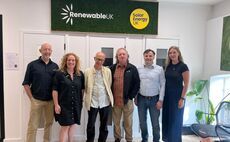
It is more important than ever that the solar sector and UK companies redouble their efforts to support and fund our brave and inspirational Ukrainian colleagues, writes Dr Seb Berry from RePower Ukraine
03 July 2026
•
4 min read

Biodiversity
The promises of a 'Green Brexit' may have quickly turned to grey, but 10 years later the business community has an enormous opportunity turn the tide on environmental damage, writes The Wildlife Trusts CEO Craig Bennett
02 July 2026
•
5 min read
Investment
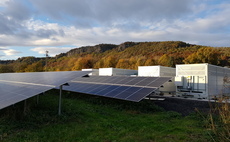
Battery storage is critical to the UK's energy and industrial security, write National Wealth Fund CEO Oliver Holbourn and Yasmine Moezinia from the Clean Technology Partnerships Initiative (CTPI)
01 July 2026
•
4 min read

Climate change
Hot Mess is our slightly bonkers contribution to the climate conversation - we hope the musical encourages people to think, feel, laugh, argue, or simply talk a little more openly about our relationship with the planet, explain award-winning writers Ellie...
30 June 2026
•
4 min read

Buildings
Commercial real estate investors are widening their lens to infrastructure, with energy in particular moving centre stage, writes Knight Frank's Ian Wood
29 June 2026
•
4 min read
