28 May 2009
It may be rightly heralded as one of the greenest forms of transport available, but that has not stopped the rail industry today releasing a new report detailing how it plans to deliver huge cuts in its environmental impact over the next 30 years.
The report from Network Rail, the Association of Train Operating Companies (ATOC) and the Rail Freight Operators' Association (RFOA) outlines plans for a major overhaul of the existing rail network that would see a wider rollout of electrified lines, an increase in the number of routes and services, and improved integration with other forms of transport.
It also signals support for government proposals for a new high-speed rail network designed to replace domestic flights and proposes a reduction in the size of trains operated during off-peak hours to improve energy efficiency by better matching supply and demand.
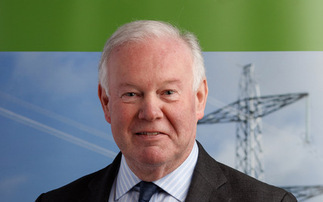
Graham Smith, chairman of the RFOA, said that changes to the current network were required to cope with a projected increase in rail use that is expected to see passenger numbers increase 60 per cent and share of freight being moved by rail almost double to 20 per cent.
A spokesman for ATOC said that the key goal for train operators was to see a significant increase in the number of routes that are electrified. "There is a really strong case for electrification," he said. "It can deliver cheaper, cleaner and more efficient trains, plus most of the electricity our members use is from nuclear power, so it provides a way of decarbonising much of the network.
Currently only 40 per cent of the rail network is electrified, while the last major electrification project was undertaken in the early 90s. Network Rail recently launched a consultation on plans to roll out more electrified routes, acknowledging that "the consensus for expanding our electrified network is gr owing".
The report also calls for rail to play a greater role in government infrastructure planning, outlining proposals for better links to airports, improved central stations in major cities designed to curb congestion, and an assurance that new housing developments are given access to rail links.
Paul Plummer, Network Rail's director of planning and regulation, warned that it was essential that the government incorporate rail more fully into its planning policy. "With railway assets having a typical life of between 30 and 60 years, a long-term strategic view of what our railways will need to deliver in the decades ahead is essential," he said.
LATEST STORIES ABOUT POLITICS
YOU MAY ALSO LIKE
LATEST JOBS
TODAY'S TOP STORIES
HIGHLIGHT
The best green companies in the UK should be preparing their entries for annual BusinessGreen Leaders Awards
INSIGHT
INSIGHT
The science and practical application of an improved method for the specification of power and cooling infrastructure for data centres
A look at alternative approaches to managing energy for cost and/or sustainability reasons in data centres
WHAT DO YOU THINK? Add your comment