13 Nov 2008
The European Commission has today unveiled a wide-ranging package of energy proposals designed to bolster the bloc's energy security and help ensure the EU meets its climate change targets.
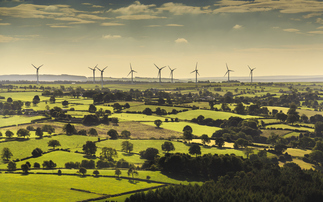
Central to the new strategy are proposals for a raft of energy network projects, including plans for a super-grid to connect offshore wind farms in the North Sea with the UK, Scandinavia and Baltics; upgraded energy efficiency standards to enhance the energy performance of buildings and appliances; and a huge expansion in the use of Combined Heat and Power (CHP) technologies.
Commission President José Manuel Barroso said the measures were necessary to limit EU reliance on energy imports, address energy prices that have risen an average of 15 per cent across the EU in the past year, and ensure targets to cut carbon emissions by 20 per cent by 2020 are met.
"The proposals adopted today represent an unequivocal statement of the Commission's desire to guarantee secure and sustainable energy supplies," he added.
The action plan features a green paper that proposes a massive overhaul of Europe's energy grids, designed to deliver greater integration of grids across country borders, better support the expected increase in renewable energy capacity and decentralised energy generation, and implement smart grid technologies.
It details five projects designed to provide clustered energy grids that enhance energy security and improve access to renewable energy by operating across a number of countries, including a North Sea offshore grid for wind energy; a Mediterranean energy network capable of accessing solar farms and natural gas reserves in North Africa; and a Baltic Interconnection Plan to link the grids of countries bordering the North and Baltic Seas.
Jonathan Johns, head of renewable energy at Ernst & Young, welcomed the announcement, claiming that it would offer a significant boost to the UK's emerging offshore wind energy market.
"Just as Europe financed our transnational road structure its impetus is needed to ensure we have a grid system fit for the new energy era," he said. " The investment required is immense, but the payback is huge. It would allow the UK to become the natural low cost provider of green energy for many parts of Europe, and ease the tensions in energy pricing we suffer from today."
The action plan also features a target to cut energy use by 20 per cent across the EU by 2020 and proposes the tightening of a number of energy efficiency regulations to help ensure the goal is met.
In particular, it proposes beefing up the Energy Performance of Buildings Directive and extending energy performance certificate programmes as part of a programme designed to enhance building energy efficiency and cut overall EU energy consumption by between five and six per cent by 2020.
It also sets out plans to extend the Energy Labelling Directive so that the A-G energy efficiency labels that appear on household appliances are also featured on other energy using products in the industrial and commercial sectors, as products that have an impact on energy consumption such as insulated windows.
In addition to tightening energy regulations, the action plan also sets out a new CHP Directive designed to promote adoption of highly energy efficient cogeneration energy plants capable of producing both heat and electricity, and outlines proposals for a new labelling directive to promote tyres that deliver the greatest improvement in vehicle fuel efficiency.
LATEST STORIES ABOUT LEGISLATION
YOU MAY ALSO LIKE
LATEST JOBS
TODAY'S TOP STORIES
HIGHLIGHT
Solar sector warns proposed cuts to feed-in tariffs would make it impossible for them to deliver promised rates of return
INSIGHT
INSIGHT
The science and practical application of an improved method for the specification of power and cooling infrastructure for data centres
A look at alternative approaches to managing energy for cost and/or sustainability reasons in data centres
WHAT DO YOU THINK? Add your comment
New World Wide Web of Electricity
There is a new world wide web emerging right before our eyes. It is a global energy network and, like the internet, it will change our culture, society and how we do business. More importantly, it will alter how we use, transform and exchange energy. Enough solar energy falls on the surface of the earth every 40 minutes to meet 100 percent of the entire world's energy needs for a full year. There is no energy supply problem, there is an energy distribution problem -- and the emerging solution is a new world wide web of electricity. For more information, see http://www.terrawatts.com
Posted by Michael P., 16 Nov 2008