Government defends zero-carbon home progress

Only 15 new homes have so far qualified as zero-carbon, but government insists it is on track to meet 2016 target

By James Murray

28 Nov 2008

Be the first to comment

building site

The government has insisted it remains "absolutely committed" to legislation that require all new homes built from 2016 to be zero-carbon, despite reports today that so far only 15 new homes have qualified as zero-carbon.

Under a scheme first unveiled in 2006, buyers of new zero-carbon houses and flats would be exempted from stamp duty, saving purchasers around £15,000.

But according to reports in today's Times, only 15 homes have qualified as zero-carbon in the first year of the scheme, throwing into question the viability of government plans to ensure all new homes are zero-carbon by 2016.

John Alker of the Green Building Council said that the low number of homes qualified as zero-carbon was evidence that the definition of such homes was too stringent.

"The existing definition excludes the use of any offsite renewables unless it is connected by a private wire to the development," he explained, adding that if zero carbon homes could only generate power from onsite microgeneration renewable technologies "then the 2016 target will not be met".

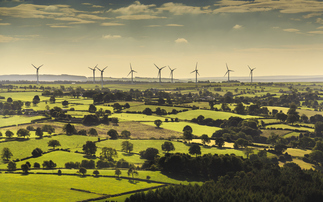
The Green Building Council, along with others in the construction industry, has been campaigning for buildings that use energy generated at local larger-scale wind farms to also be allowed to qualify as zero carbon - a scenario that would make it easier and more cost-effective for developers to provide green homes.

"It is not about dumbing down the requirement for zero carbon homes," said Alker. "We are calling for a definition that delivers the same level of carbon reductions, but allows offsite renewables that are proven to be additional and have some kind of regional connection with the development."

A spokesman for the Department for Communities and Local Government insisted that the government remained "absolutely committed" to the 2016 target and would be commencing a consultation on the definition of zero-carbon in the near future.

"We will put forward a definition shortly and then undertake full consultation with the public and industry," he said, adding that the issue of whether or not to include homes that are powered using offsite renewable energy would be one of the issues that would have to be resolved.

A spokesman for the Treasury agreed that the low take up of the stamp duty exemption was not a cause for concern. "Stamp duty land tax relief for zero-carbon homes was always expected to only be picked in small numbers in the first few years," he said. "The aim is to kick-start a market for new, highly efficient homes as few currently exist."

WHAT DO YOU THINK? Add your comment


Greg Barker has said that despite cuts to solar incentives the industry will continue to grow this year - is he right?

8%

7%

8%

77%

INSIGHT

Submit your email address and we'll send a link to a personal newsletter control panel


Hardware Engineer / Electroni

10 Feb 2012

Hardware Engineer FPGA,VHDL,Embedded C,PCB Layout,Orcad My client a leading design and manufacturing company is looking for an experienced hardware engineer, electronic engineer. This forward thinking organisation will create ample opportunities for the right Hardware electronics engineer. The Hardware Engineer will design, implement, evaluate and verify complete data acquisition systems and the s

APC

Guidelines for specification of data centre power density

The science and practical application of an improved method for the specification of power and cooling infrastructure for data centres

Quocirca

Powering the data centre

A look at alternative approaches to managing energy for cost and/or sustainability reasons in data centres