EU climate change programme in balance as crucial talks begin

MEPs vote in favour of tougher carbon emission rules, but opposition to wide-reaching programme in some member states is strengthening

By James Murray

07 Oct 2008

Be the first to comment

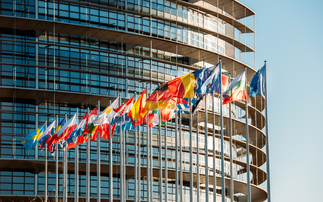
EU flags
Concerns have been raised that the EUs emissions legislation could face opposition from eastern European states

The EU's wide-ranging package of climate change measures overcame another hurdle in the European Parliament today, despite fears that adoption of the legislative programme could yet be delayed or even blocked by opposition from a group of eastern European states led by Poland.

The European Parliament's environment committee today voted almost unanimously in favour of proposals to "significantly toughen" the rules surrounding the EU's plans to cut emissions across the bloc by 20 per cent by 2020.

Under the proposals, which will now go before the council of EU member states, those sectors not covered by Europe's emissions trading scheme have to cut carbon emissions by 10 per cent between 2013 and 2020, while the whole bloc would sign up to emission reductions of between 60 and 80 per cent by 2050.

"Overachieving" member states that exceed their targets would also be allowed to "transfer, sell or lend" extra emission savings to other states to help them meet their goals, while fines of €100 per tonne would be imposed upon those states that fail to meet their reduction targets.

In a move bound to infuriate some member states, the committee voted to clamp down on the extent to which countries can meet their emission targets by buying in UN-approved carbon offset credits, capping the proportion of imported credits at eight per cent of 2005 emissions for the whole period from 2013 to 2020. In contrast, UK officials from the Department for Business, Enterprise and Regulatory Reform (BERR) had been lobbying for the import cap on offset credits, known as CERs, to be set at 50 per cent of the emission reduction target.

A spokeswoman for the environment committee said the new caps represented a "significant toughening" of the original legislation put forward by the European Commission, which would have allowed states to "offset" three per cent of their target each year.

But Stig Schgolset, senior analyst at research firm Point Carbon, warned that with several states lobbying alongside the UK for more generous import caps there was likely to be frustration at the decision to tighten the cap further.

Several member states are also likely to oppose European Commission proposals, endorsed by the environment committee in a separate vote today, which would ensure that from 2013 all emission allowances required by the energy sector under the EU's emissions trading scheme (ETS) will have to be bought at auction with 100 per cent of the revenue raised earmarked for investment in climate change initiatives.

Schgolset said that the capping of offset imports and earmarking of auction revenues were now set to become a "crucial issue" as the parliament enters into negotiations with the European Council of member states in an attempt to finalise the legislation.

According to sources in Brussels, Poland has secured support from a number of other eastern European states and will attempt to block the package amidst concerns that cutting emissions from its coal-reliant economy will leave it increasingly dependent on imported gas from Russia. Meanwhile, Germany is also said to be lukewarm on the proposals and could yet lobby for a weakening of the legislation.

"There is likely to be some sort of compromise because there is real pressure to get everything in place before the Copenhagen talks [to agree a successor to Kyoto in December 2009]," said Schgolset. "The overall targets are unlikely to change, and Poland and the others will have to back down… But many of the member states don't want 100 per cent earmarking of revenue, so that may change, and we might get slightly higher offset import caps."

A spokeswoman for the environment committee said that without the support of member states the whole legislative package could be delayed well into next year, and possibly beyond.

She explained that informal talks would now begin between the parliament and the European Council with a view to a deal being struck before the end of the year ahead of a final vote by the full European Parliament.

However, if a deal cannot be brokered the parliament will vote on the proposals regardless, at which point formal negotiations will have to be undertaken with the member states in an attempt to gain final approval – a process that she warned would result in lengthy delays in the legislation's adoption.

WHAT DO YOU THINK? Add your comment


Greg Barker has said that despite cuts to solar incentives the industry will continue to grow this year - is he right?

7%

6%

7%

80%

INSIGHT

Submit your email address and we'll send a link to a personal newsletter control panel


Mechanical Integrity Engineer

09 Feb 2012

Mechanical Integrity Engineer, 35,000-45,000, Midlands A global power organization are looking to identify a Mechanical Integrity Engineer to become part of a globally accalimed engineer department. Delivering R&D Projects in relation to the business' GAS and Steam Turbine operations - the role will challenge the engineers mechanical design capabilities and integrity of company products. The succe

APC

Guidelines for specification of data centre power density

The science and practical application of an improved method for the specification of power and cooling infrastructure for data centres

Quocirca

Powering the data centre

A look at alternative approaches to managing energy for cost and/or sustainability reasons in data centres