EU to extend energy labels to many new products

Energy labels to be carried by all energy-related products, while new advertising rules aim to promote most efficient products

By James Murray

18 Nov 2009

Be the first to comment

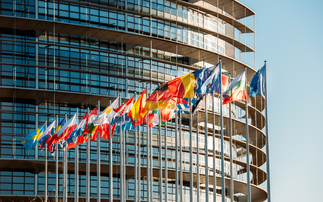
EU flag

All products that can affect the use of energy, including windows, taps and home insulation, are to carry energy use labels under reforms agreed yesterday between the EU and member states.

The European Council of member states, the European Parliament and Commission reached a deal that will see the energy labelling directive, which currently covers only household electrical appliances, extended to cover all energy-related products.

Under the new rules, which are expected to be adopted early next month in the wake of the Lisbon Treaty coming into force, businesses will have to ensure that any advertisements that contain energy-related or pricing information also include a reference to the energy-efficiency rating of the product.

Member states said they would also consider introducing new purchasing criteria for the public sector to ensure only the top-rated products are procured.

The move was welcomed by energy commissioner Andris Piebalgs, who said the deal "paves the way to adopt legislation on a wide range of products in the future that helps us to honour our commitment on the reduction of CO2 emissions ".

However, some member states, including the UK, are likely to be frustrated at the failure to fundamentally reform the energy rating system. Currently, the rating system provides A+ to G labels, with the agreed changes opening up the possibility of going up to A+++ ratings for best-in-class products.

However, British negotiators had argued that the A+ labels risk confusing customers and as a result the labelling criteria should be periodically updated to ensure only the most efficient products carry the A label.

In related news, the Council, Parliament and Commission also reached a deal that will see building codes and energy performance requirements for buildings strengthened and an EU-wide deadline imposed that will require all new buildings to be rated as nearly zero carbon by 2020.

Under the proposed changes, member states will be required to develop action plans to accelerate the rollout of zero-carbon buildings, while new rules will require energy performance data to be shown to all prospective buyers and tenants and included in sales and rental advertisements.

Piebalgs said the reforms were critical to meeting the EU's target of cutting greenhouse gas emissions 20 per cent by 2020 and that they send "a strong message to the forthcoming climate negotiations in Copenhagen" that the EU is taking action to tackle its carbon footprint.

WHAT DO YOU THINK? Add your comment


Greg Barker has said that despite cuts to solar incentives the industry will continue to grow this year - is he right?

4%

6%

7%

83%

INSIGHT

Submit your email address and we'll send a link to a personal newsletter control panel


Mechanical Integrity Engineer

09 Feb 2012

Mechanical Integrity Engineer, 35,000-45,000, Midlands A global power organization are looking to identify a Mechanical Integrity Engineer to become part of a globally accalimed engineer department. Delivering R&D Projects in relation to the business' GAS and Steam Turbine operations - the role will challenge the engineers mechanical design capabilities and integrity of company products. The succe

APC

Guidelines for specification of data centre power density

The science and practical application of an improved method for the specification of power and cooling infrastructure for data centres

Quocirca

Powering the data centre

A look at alternative approaches to managing energy for cost and/or sustainability reasons in data centres