Crunch time for EU climate action plan

Optimism waning as Germany accused of seeking to undermine emissions trading scheme

By James Murray

11 Dec 2008

Be the first to comment

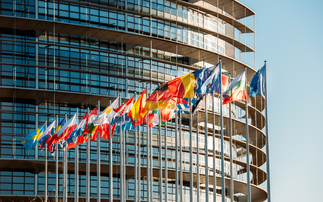
EU flags

After months of fraught negotiations, European leaders are to gather in Brussels today in an attempt to finalise a deal on the bloc's climate change action plan – and fears are mounting that the high profile talks could collapse without agreement after Germany, Italy and Poland all stepped up their opposition to the current proposals.

Despite being one of the original architects of the EU plan, which would see carbon emissions cut by 20 per cent by 2020, German chancellor Angela Merkel has this week insisted that she will not countenance any move that jeopardises German jobs or investment.

She is expected to call for proposals for heavy emitters to be forced to buy the carbon credits they are currently awarded for free under the EU's emissions trading scheme to be watered down so that German factories will still see between 90 and 100 per cent of their credits awarded free of charge.

German heavy industries have argued that the free allocation of credits is necessary to stop manufacturers decamping to countries outside the EU, but those countries still committed to the planned huge increased in the number of credits that are sold at auction, including France and the UK, insist that issuing free credits will deliver massive windfalls to some industries and remove much of the incentive for them to invest in lower carbon technologies.

The scaling back of the proposed auctioning of carbon credits would also have a knock on effect on related proposals to use much of the revenue raised through the auctions to fund low carbon energy and infrastructure projects across the union.

However, Brussels observers are concerned that with Merkel due to face an election at home next year and under severe pressure from the powerful German business lobby, the chancellor is in no mood to compromise.

Germany's stance has also emboldened Italy, which has threatened to veto the proposals over fears it will damage its economy, and a coalition of nine eastern European states led by Poland, which have also been calling for free allocation of credits for their coal-fired power stations and the expansion of a proposed "solidarity fund" to help their economies cut emissions.

French president Nicholas Sarkozy, who holds the EU revolving presidency, has said he remains confident a deal can be reached, and is reportedly willing to reconvene the meeting between Christmas and New Year if an agreement is not finalised over the next two days.

EU officials have also pointed out that compromise agreements have been reached in recent weeks over those areas of the action plan covering renewable power and car emission standards.

However, green campaigners are fearful that with the EU desperate to get the deal finalised before the end of the year when France hands the EU presidency over to the Czech Republic, the legislative proposals could be watered down to such an extent that meeting the over-arching emissions target becomes near impossible.

In addition, there are concerns in the European Commission that a compromise deal that hands too many concessions to heavy polluters would undermine the EU's credibility at the UN's ongoing climate change negotiations.

Speaking ahead of the summit, Jose Manuel Barroso, president of the European Commission said it would be "a real mistake" for Europe to water down its position, given the reputation it has fostered as a leading player in the fight against climate change.

The carbon markets will also be watching the results of the negotiations closely amid fears that any expansion of the free allocation of carbon credits, or moves to relax the emission caps imposed upon energy firms and heavy industry could result in a lower than expected price for carbon during the next phase of the trading scheme, starting in 2013.

Sara Stahl of the European Climate Exchange sought to downplay the fears, arguing that the market was now robust enough to prosper, even if the proposals for the next phase of the scheme are watered down.

"Of course there will be wheeling and dealing in Brussels, as there is around any big issue, but there will be a deal, and the next phase of the scheme will still be a lot tighter than the current phase," she said.

WHAT DO YOU THINK? Add your comment


Greg Barker has said that despite cuts to solar incentives the industry will continue to grow this year - is he right?

8%

7%

8%

77%

INSIGHT

Submit your email address and we'll send a link to a personal newsletter control panel


Hardware Engineer / Electroni

10 Feb 2012

Hardware Engineer FPGA,VHDL,Embedded C,PCB Layout,Orcad My client a leading design and manufacturing company is looking for an experienced hardware engineer, electronic engineer. This forward thinking organisation will create ample opportunities for the right Hardware electronics engineer. The Hardware Engineer will design, implement, evaluate and verify complete data acquisition systems and the s

APC

Guidelines for specification of data centre power density

The science and practical application of an improved method for the specification of power and cooling infrastructure for data centres

Quocirca

Powering the data centre

A look at alternative approaches to managing energy for cost and/or sustainability reasons in data centres