Official EPA figures show fall in emissions during 2005 and 2006, driven in part by higher fuel prices and growing alternative energy capacity
Greenhouse gas emissions fell by 1.5 per cent in the US between 2005 and 2006, according to the latest figures from the Environmental Protection Agency (EPA).
The figures feature in a draft report that the EPA published last week with a request for comment from interested parties.
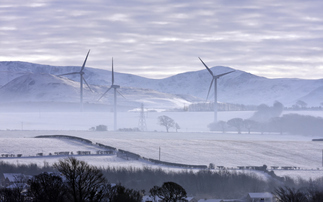
The EPA has attributed the fall in emissions to three things: higher fuel prices, an increased focus on renewable energy, and a more moderate weather during the period in question. The winter was warmer in 2005-6, and the summer was cooler, calling for less energy to be expended on heating and cooling.
The last time that US carbon emissions slipped was in 2000/01, when they fell by 1.3 per cent. However, the EPA attributed that fall solely to a slowing in economic growth and a reduction in industrial output.
EPA spokesman Dave Ryan said that economic conditions can contribute to greenhouse gas outputs. "For example, changes from year to year in industrial production impact national industrial process emissions and energy-related emissions," he explained.
However, growth in industrial output in 2005-6 was still strong, and only began slipping in late 2007, suggesting that the underlying economy may not have been a major contributing factor to the 2005/06 dip in emissions and that an increase in renewable energy capacity and shifting consumer attitudes had played a part in the fall.
Chris Miller, who directs Greenpeace's climate change programme in the US, warned against kneejerk reactions to the news and highlighted the importance of putting the figures in a longer-term context. "It's not an endorsement of President Bush's idea that voluntary commitments are working," he said. " Mandatory reduction measures are crucial in that fight."