Chancellor Alistair Darling yesterday pledged to go "further and faster" in the next stage of the European Emissions Trading Scheme (ETS), in a move that could significantly increase the cost of carbon emissions for businesses.
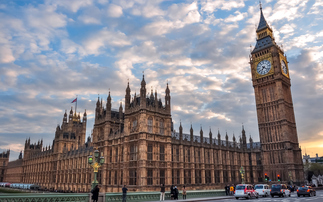
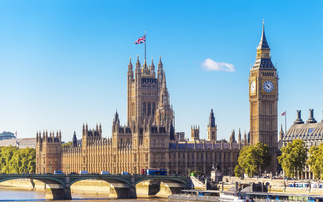
Outlining his first Pre-Budget Review to Parliament, the chancellor said that the government would increase the use of auctioning of carbon allowances under the European scheme in an attempt to accelerate the transition to a low carbon economy.
Under European plans for phase two of the ETS – which starts next year and runs until 2012 – only 10 per cent of carbon credits issued can be auctioned to polluters with the rest being allocated for free.
But critics argue auctioning carbon credits rather than handing them out for free is essential to ensure there is a price on carbon emissions and a clearer incentive for firms to invest in low carbon technologies and business models. Darling appears to have endorsed this view, pledging to "significantly" increase the use of auctioning.
A spokeswoman for Defra said that the government had to work within the 10 per cent limit for auctioning credits during phase two of the scheme, but said it would be pushing to increase the proportion of credits auctioned for phase three of the scheme, starting in 2013.
She added that the policy of auctioning credits would be primarily targeted at electricity generation companies that have previously been able to largely avoid any impact from the ETS by passing on costs to customers.
"Increasing the number of credits they have to buy at auction would provide more incentive for them to decarbonise their operations," she explained.
The first phase of the ETS has been heavily criticised for failing to curb carbon emissions after too many carbon credits were allocated, resulting in a collapse in the price of carbon as large numbers of firms were able to sell their excess credits.
However, the government is confident that allocations for next year are sufficiently capped and as a result the cost of carbon emissions will increase significantly.
"The forward price of carbon for phase two is very encouraging," said the Defra spokeswoman. "A good price on carbon will provide a real incentive for firms to reduce their emissions. The scheme is focused on the largest polluters but the impact [of a higher price on carbon] will reach their supply chains and customers, and provide an incentive to decarbonise."
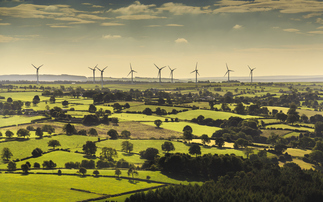
While increasing pressure on companies to cut their carbon emissions, the chancellor also moved to improve the supply of low carbon technologies releasing the criteria for the government's proposed carbon capture and storage plant, and announcing an increase in its Environmental Transformation Fund (ETF) to £1.2bn over the next three years.
Defra said the fund would focus on research and development projects for low carbon technologies as well as initiatives to help better commercialise these technologies. Business secretary John Hutton welcomed the extra investment, claiming it would help provide the clean tech sector "with the confidence it needs to invest in innovation and ensure that new products and processes are brought to market soon".
However, Friends of the Earth gave the announcement a lukewarm reception, arguing that details on the fund remains "sketchy" and insisting that the level of funding "is far lower than that needed to help the UK become a world leader in these technologies".
Meanwhile, the government also moved to mitigate the risk of increased flooding associated with climate change, assigning an extra £200m a year to be spent on flood defences from 2010.
But The Association of British Insurers insisted the increased spending was insufficient, claiming it was less than the industry had been calling for even before this summer's widespread floods.
Pre-Budget Review delivers reforms to aviation tax and hints at more incentives for fuel-efficient cars 10 Oct 2007
WWF and Point Carbon study argues free allocation of carbon allowances in phase II of scheme mean energy giants will continue to enjoy huge windfalls 08 Apr 2008
EU action plan aims to increase carbon prices and drive renewables investment, in move designed to strengthen case for low carbon business models 23 Jan 2008
Wide range of environmental taxes and targets increase pressure on firms to cut emissions from transport and buildings, but renewables and green investment sectors left disappointed 12 Mar 2008
As delegates at African climate change conference are criticised for not offsetting, events management experts insist buying offsets should become standard practice 29 Aug 2008
Proposals to reduce traffic emissions by tweaking insurance options and tackling urban sprawl are on the drawing board 29 Aug 2008
Recent claims from the oil giant's chief executive suggesting tar sand extraction is required to slow the shift to coal may have caught the eye, but as BusinessGreen.com discovers they do not make much sense 28 Aug 2008
With all eyes on the Democrats' convention this week, environmentalists are asking whether it will live up to the green claims of politicians 26 Aug 2008
To stand by or not to stand by? BusinessGreen.com offers its cut-out-and-keep guide to the world of PC turn off systems 22 Aug 2008