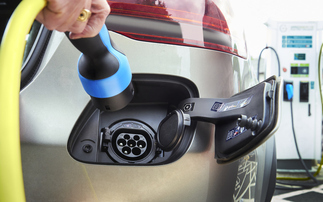
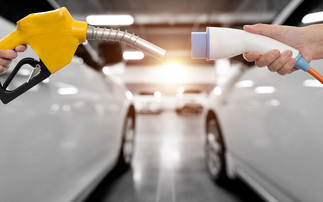
The Mayor of Paris is poised to launch a new green transport initiative that will see Parisians offered access to 2,000 self-service electric cars.
According to a report in The Times, Bertrand Delanöe aims to model the new initiative on the popular Vélib bike hire scheme, which began in Paris last July. The proposed Automobiles-en-Libre service would allow subscribers to pick up cars from dozens of collection points at any time of day without booking and leave them anywhere in the city. The electric cars would cost just a few euros a day to hire and may emulate the Vélib scheme by being largely funded through advertising.
The initiative is expected to be formally announced later this month at the launch of Delanöe's campaign for re-election in March's municipal elections.
A successful car-sharing scheme could lead to significant reductions in the number of cars entering the city, cutting congestion and carbon emissions.
The Times reports that two electric vehicles are being considered for use in Delanöe's scheme: BlueCar and Cleanova. Both options have French underpinnings. The BlueCar project was begun by French battery manufacturer Bolloré and the first vehicles are due to go on sale in mid 2009, built and styled by Italian firm Pininfarina. Meanwhile Cleanova, developed by France’s Dassault Group, uses the body of the small Renault Kangoo van.
Self service and car club schemes have become increasingly popular in urban centres with firms such as Zipcar currently expanding rapidly. However, some environmentalists have expressed concern about the Parisian proposals, arguing that the availability of electric cars could discourage people from cycling. There have also been fears voiced that the high cost of the electric car scheme compared to Vélib could make funding the initiative through advertising impractical.
In related news, Berlin, Cologne, Hanover and Milan have all this week unveiled new schemes to tackle urban congestion and air pollution.
The German cities have set up new city centre "environmental zones" designed to exclude cars that exceed a particular emissions limit. Car owners will have to apply for stickers proving their vehicles meet emissions standards, while fines will be levied against drivers caught in the zone without the required permit.
Milan, meanwhile, has become the latest city to introduce a congestion charging scheme as it seeks to lose the tag of one of Europe's most polluted cities. The scheme will charge vehicles entering the city's eight square kilometre centre between €2 and €10 based on their emissions. Electric, hybrid and some low polluting models will be exempt from the charge.
Currently around 90,000 vehicles a day enter Milan’s congestion zone and the scheme is expected to raise €24m a year, two thirds of which has been earmarked for improvements in public transport.
As it prepares to launch a new model, GoinGreen claims "misleading" reporting of G-Wiz crash tests hurt sales 06 Dec 2007
New tax break means that a green car fleet would save firms £60,000 over four years as well as cut carbon emissions by 134 tonnes 11 Dec 2007
General Motors is working on greener cars powered by diesel-electric powerplants, but is taking a cautious route to market 13 Nov 2007
Shai Agassi is aiming high with his new electric car venture, but he still has steep marketing hurdles to overcome 06 Nov 2007
French capital to get 4,000 electric hire cars as Mayor seeks to expand on successful bike pick up scheme 20 Jun 2008
Leading motor industry group claims plans to exempt low emission vehicles from congestion charge will have no impact on pollution 23 Oct 2007
Lotus Engineering unveils new electric and hybrid car research team and debuts combination of engine technologies that promise 15 per cent carbon savings 26 Feb 2008
Report claiming solar panels take over 100 years to recoup their value is just plain wrong, say manufacturers 05 Sep 2008
Republican attempts to highlight differences over energy policy as both candidates pledge to deliver US energy independence 05 Sep 2008
Once your company has gathered up all the low-hanging fruit, what comes next? Sarah Fister Gale finds that the answer lies in everything from multi-million dollar energy efficiency programmes to printers powered by exercise bikes 03 Sep 2008
Slow journey times mean airships are highly unlikely to replace passenger jets, but, as Danny Bradbury discovers, a flotilla of new companies are convinced that low-fuel costs mean the old-fashioned aircraft could have huge appeal to freight operators 02 Sep 2008
Recent claims from the oil giant's chief executive suggesting tar sand extraction is required to slow the shift to coal may have caught the eye, but as BusinessGreen.com discovers they do not make much sense 28 Aug 2008