Just months after screening one of the most
scientifically
dubious anti-environmental screeds in its history in the form of
The
Great Global Warming Swindle, Channel 4's Dispatches documentary series went
some way towards repairing its reputation with environmentalists with an
intelligent, urgent and timely investigation into carbon offsetting.
Channel 4 News Science Correspondent Tom Clarke uncovered few new concerns
with his documentary
The
Great Green Smokescreen, but he eloquently highlighted the sheer scale of
the problems currently afflicting the burgeoning carbon offset industry and the
publicity risks currently being run by those firms using carbon credits to
supposedly limit their environmental impact.
First to fall victim to Clarke's investigation was oil giant BP, which
credited a methane capture project at a Mexican pig farm with delivering enough
carbon credits to offset the annual emissions from 750,000 cars in the UK - as
Clarke observed "these are very special pigs".
However, as it turned out they weren't that special after all with Clarke
revealing that the project was only delivering enough savings to offset 2,500
cars. BP quickly removed the claim from its website.
Though BP was not alone in its embarassment with Clarke visiting a range of
carbon offset firms and projects that sounded great in principle, but which
revealed on closer inspection that they were singularly failing to live up to
their bold claims.
All the usual suspects were present and correct in Clarke's investigation:
the impossibility of guaranteeing that trees planted now will last the 80 years
needed to justify offset calculations; the lack of scientific consensus over how
best to calculate emissions from air travel and the subsequent huge difference
in the cost of offsetting flights through different offset firms; the concern
over the lack of a clear definition for the term "carbon neutral"; and the fear
that offsetting will allow firms to ignore the need to invest in reducing their
carbon footprint.
However, a special kicking was reserved for the lack of "additionality"
displayed by some carbon offset projects, with two initiatives backed by The
CarbonNeutral Company coming under the microscope and found to be seriously
wanting.
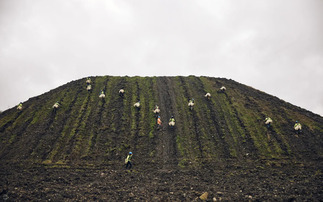
Clarke visited a tree planting project in the UK and a hydro electric plant
in Bulgaria, which were selling offset credits to The CarbonNeutral Company.
However, representatives of both projects openly admitted that the investment
from the offset firm was not essential to the project's success, raising the
question that if the project was going to happen anyway how could it justifiably
be used to offset the carbon emissions of The CarbonNeutral Company's customers.
In a knock about sequence that conjured up the image of panicking PR execs
running around like characters in a French farce desperately trying to undo the
damage done by one off-message spokesman, the Bulgarian energy company contacted
Clarke to insist that there had been a terrible misunderstanding and that the
offset money was absolutely essential - not simply a nice bonus. But a quick
call to the bank that funded the plant confirmed it would indeed have gone ahead
without the offset firm's involvement - the project's "additonality" appeared to
be non-existent and Clarke had got the confirmation from the horse's mouth.
The Carbon Neutral Company's response to the investigation was informative
only in so much as it offered a perfect example of how not to deal with pesky
investigative journalists.
In a written statement (first rule of damage limitation: put forward a
spokesman, written statements make you look like the evil face of big business
that the reporter is invariably painting you out to be. The Carbon Neutral
Company's arch rival, ClimateCare, wheeled out its founder, Mike Mason, to talk
to Clarke and while the company faces many similar challenges it came out of the
documentary looking a lot better), The CarbonNeutral Company said: "We work with
150 projects and demonstrate through independent monitoring and verification
that they reduce greenhouse gasses now and will continue to do so into the
future".
This of course begs the observation that if one reporter armed with nothing
more than a film crew can talk to your own partners and uncover that several of
your projects are seriously flawed and not really providing any additional
reduction in carbon emissions then perhaps your "independent monitoring and
verification" procedures need some work.
What Clarke's film clearly displays is an industry that needs to take some
serious steps to restore its credibility – and fast.
As such the government's
proposed
quality standards can not come soon enough and the offsetting firms should
realise they are better off accelerating the introduction of this kitemark
rather than quibbling over the details. Strict standards may indeed force one or
two operators out of business, but without them the whole industry is going to
go up in smoke as firms realise there is no point paying to be carbon neutral if
their customers believe the bulk of offset projects are fatally flawed.
Meanwhile, any firm using an offset provider needs to urgently crank up the
intensity of their auditing processes, or risk being named and shamed by the
next TV documentary crew.
Done correctly offsetting may well have a positive role to play in the
future, particularly in countering the effects of still-essential corporate air
travel, but businesses buying offsets have to be sure they are getting what they
pay for and that means detailed independent verification of offset project's
effectiveness. It may drive up the cost of offsetting, but if you are serious
about limiting your carbon emissions then it is a price worth paying.
The only reason Clarke was able to make his film was because businesses have
been guilty of failing to adequately investigate the credibility of their offset
suppliers' projects themselves. So, as high profile offsetters such as BP, Sky
and HSBC, assess the damage done by last night's TV they should perhaps avoid
cursing Clarke's name and instead consider offering him a job.