Transocean hits back at BP's "self-serving report"

Rig operator rejects BP's assertion that well design was unlikely to have caused Gulf disaster

By BusinessGreen.com Staff

08 Sep 2010

Be the first to comment

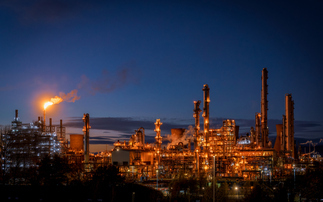
Oil rig

Transocean has hit back at BP's claim that it must take a large chunk of the blame for the explosion on its Deepwater Horizon rig, accusing the oil giant of producing a "self-serving" accident report that underplays its own role in the disaster.

In a statement responding to the release of BP's accident report, Transocean rejected BP's suggestion that the well design was safe.

"This is a self-serving report that attempts to conceal the critical factor that set the stage for the Macondo incident: BP's fatally flawed well design," the company said. "In both its design and construction, BP made a series of cost-saving decisions that increased risk – in some cases, severely."

The statement is in direct contradiction to comments from out-going BP chief executive Tony Hayward who said earlier today that the company's report found that it "would appear unlikely that the well design contributed to the incident, as the investigation found that the hydrocarbons flowed up the production casing through the bottom of the well".

BP's 193-page report makes a concerted effort to spread the blame for the accident, which resulted in 11 fatalities and led to the largest oil spill in US history. It argues that "a complex and interlinked series of mechanical failures, human judgments, engineering design, operational implementation and team interfaces" led to the disaster, stressting that multiple companies were involved.

However, Transocean's response lists five decisions taken "exclusively" by BP that it says made a major contribution to the accident, including its decision to install "fewer than one-third of the recommended number of centralizers, dramatically increasing the risk of cement channeling and gas flow".

The company also hinted that BP was holding up its own investigation into the causes of the accident, announcing that it was waiting on "critical information " from BP before it will be able to complete its review into the causes of the accident.

Transocean's response suggests that BP's version of events will be fiercely contested as each of the companies involved attempts to limit their liability.

BP's shares have risen 1.5 per cent today on the back of the report, while Transocean's shares have also risen by 1.5 per cent in early trading on Wall Street.

WHAT DO YOU THINK? Add your comment


Greg Barker has said that despite cuts to solar incentives the industry will continue to grow this year - is he right?

2%

6%

7%

85%

INSIGHT

Submit your email address and we'll send a link to a personal newsletter control panel


Mechanical Integrity Engineer

09 Feb 2012

Mechanical Integrity Engineer, 35,000-45,000, Midlands A global power organization are looking to identify a Mechanical Integrity Engineer to become part of a globally accalimed engineer department. Delivering R&D Projects in relation to the business' GAS and Steam Turbine operations - the role will challenge the engineers mechanical design capabilities and integrity of company products. The succe

APC

Guidelines for specification of data centre power density

The science and practical application of an improved method for the specification of power and cooling infrastructure for data centres

Quocirca

Powering the data centre

A look at alternative approaches to managing energy for cost and/or sustainability reasons in data centres