28 Sep 2009
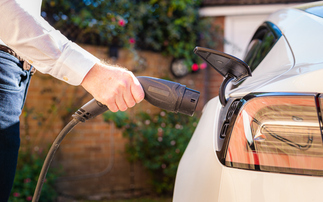
The US electric vehicle market received a major boost late last week, when two of the country's largest energy firms announced that they were to switch their entire vehicle fleet over to electric and plug-in hybrid vehicles over the next 10 years.
FPL Group and Duke Energy said that by 2020 they would transition their entire fleets - totalling over 10,000 vehicles - over to low carbon models, cutting greenhouse gas emissions by more than 125,000 metric tons in the process.
The companies said they were currently looking for suppliers to come forward with proposals on which vehicles they should purchase. "The more organisations that join this initiative, the more we can develop a sustainable transportation future," said Lew Hay, chief executive of FPL.
The two firms said plans to purchase electric or plug in hybrid passenger vehicles and smaller trucks were already underway, adding that they now intend to work closely with manufacturers to test and measure the effectiveness of prototype electric trucks from 2011.
Jim Rogers, chief executive of Duke Energy, said that the high profile commitment would provide auto firms with the guaranteed demand they need to step up investments in electric vehicles.
"Currently, the only near-term options for available PEV (plug in electric vehicle) supply are sedans, minivans, vans and a few bucket trucks. Over a 10-year horizon, it is expected that options will be available for most utility service categories," he said. "This commitment will provide the transportation industry the evidence that a robust market for PEVs exists."
Research from FPL suggests that electric vehicles, even if powered from a current grid mix, offer emissions reduction of up to 70 per cent over conventional vehicles.
LATEST STORIES ABOUT TECHNOLOGY
YOU MAY ALSO LIKE
LATEST JOBS
TODAY'S TOP STORIES
HIGHLIGHT
Model X sports Back to the Future-style "falcon doors" and is set to go on sale in 2014
INSIGHT
INSIGHT
The science and practical application of an improved method for the specification of power and cooling infrastructure for data centres
A look at alternative approaches to managing energy for cost and/or sustainability reasons in data centres
WHAT DO YOU THINK? Add your comment
vehicle-to-grid communication technology
The vehicle-to-grid communication technology is helping the battery serve as a storage to prevent the costly blackout standing at about $90 to 100bn per year. That means utilities are shedding cost for additional storage facilities and ratepayers are selling electricity for peak hours so that EVs can make more economic sense, as we know. It is also in the best interest of electricity utilities that EVs are going mainstream, thereby they need to put in charge stands where needed around highways, major roads with card readers or cell phone tech.
Posted by hsr0601, 28 Sep 2009