Landmark report explodes renewable energy myths

Comprehensive study concludes 100 per cent renewable energy supplies are technically feasible and economically attractive

By Rachel Fielding

13 Apr 2010

Be the first to comment

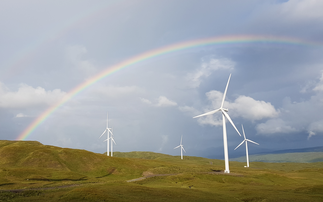
Wind power

Europe can switch to low carbon sources of energy without jeopardising reliability or forcing up energy bills to punitive levels, according to a major new study that claims to be the most comprehensive assessment to date of the viability of zero carbon power supplies.

Roadmap 2050: a practical guide to a prosperous, low-carbon Europe will be released later today and will demonstrate how transitioning to a low or zero carbon power supply based on high levels of renewable energy would have no impact on reliability, and would have little impact on the cost of producing electricity in the period up to 2050.

The report was developed by think tank the European Climate Foundation (ECF) in collaboration with a number of leading economists and energy industry experts, and includes contributions from McKinsey, KEMA, Imperial College London and Oxford Economics.

Its analysis argues that cost effective zero carbon power is not reliant on technology breakthroughs, although it warns that they would help to further reduce the cost of decarbonisation.

Matt Phillips, a senior associate with the ECF, said many of assumptions made at the outset of the research project had been proved wrong.

"When the Roadmap 2050 project began it was assumed that high-renewable energy scenarios would be too unstable to provide sufficient reliability, that high-renewable scenarios would be uneconomic and more costly, and that technology breakthroughs would be required to move Europe to a zero-carbon power sector," he said. "Roadmap 2050 has found all of these assertions to be untrue. "

ECF said the report shows that the widely held assumption that renewable energy is always more costly than fossil fuels is increasingly outdated, arguing that while capital investment in low carbon energy infrastructure is more expensive than high carbon infrastructure, the long term operating costs for low carbon energy will be lower than for high carbon supplies.

The report also stresses that a move to zero carbon power supplies will have a dramatic impact on improving energy security and will bolster European economic prosperity.

The report presents a range of options for de-carbonising the power supply. It takes 40, 60, 80 and 100 per cent renewables scenarios with the remainder being made up by nuclear and fossil fuel power plants with carbon capture and storage capabilities.

It examines the economic, infrastructure and energy security impacts and the technical feasibility of each scenario and applies detailed modeling and conservative assumptions to reaching conclusions about the viability of each approach.

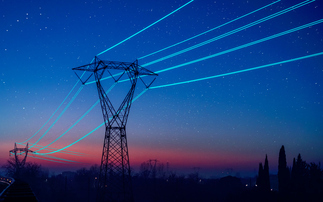
The report concluded that each of the scenarios are feasible, but warned there are a number of barriers to them being realised. In particular, it concluded that a successful transition to zero carbon power will depend on the UK and other EU member states prioritising energy efficiency measures and supporting the rapid development of a European electricity "supergrid".

It also calls on a massive and sustained mobilisation of investment in low carbon technologies and the firming up of commitments to phase out high carbon assets.

Nick Mabey, chief executive of consultancy E3G, which also contributed to the report, said that the study revealed that "the benefits of the low-carbon pathway far outweigh the challenges".

"A commitment now to a low-carbon transformation of the energy sector is the winning strategy for competitiveness, jobs and prosperity in the UK and Europe, " he said. "Achieving a minimum 80 per cent CO2e reductions in 2050 based on zero carbon power generation in Europe is technically feasible and makes compelling economic sense."

The report comes just weeks after a similar study from PricewaterhouseCoopers also concluded that generating 100 per cent of Europe's energy from renewable sources is technically viable.

WHAT DO YOU THINK? Add your comment


Ed Davey has replaced Chris Huhne as the Energy and Climate Change Secretary. Do you think the new minister will offer a boost the low carbon economy?

30%

60%

10%

Submit your email address and we'll send a link to a personal newsletter control panel


Engineer

04 Feb 2012

Requisition Number: URS61786 Interest Category: Engineering Interest Sub Category: Engineering : Civil Job Title : Engineer Employment Category/Status: full:time Type of Position: Regular Hire Country: UK State: London City: London, City of Minimum Requirements: Incorporated Engineer or Engineer approaching Chartered status with a minimum of 5 years working in UK.Degree in Civil Engineering or sim

APC

Guidelines for specification of data centre power density

The science and practical application of an improved method for the specification of power and cooling infrastructure for data centres

Diskeeper

Increasing efficiency in the IT environment

Getting the most out of data storage investments