15 Oct 2009
California Governor Arnold Schwarzenegger has vetoed a bill enshrining renewable energy targets in law, but has approved measures enabling both business and consumers to make money from solar installations that generate surplus electricity.
Critics say that Schwarzenegger’s decision to issue an executive order rather than legislate to ensure that the state generates 33 per cent of its power from renewable sources by 2020 means that the target is vulnerable to being overturned if there is a change of administration.
But the Governor also approved two major initiatives to boost solar and wind power-based microgeneration on Sunday – the last day to act on bills from this year’s legislative session.
The first Bill, AB 920, which was authored by Assembly member Jared Huffman, requires utility companies to pay domestic and business customers for any surplus electricity generated by either means as an incentive to use their equipment to full capacity. They can opt to either receive a cheque for the excess or have credits added to their electricity bills.
Current net metering rules mean that utilities obtain any power that is fed into the grid for free. As a result, it is often wasted as many people are unwilling to give the organisations something for nothing.
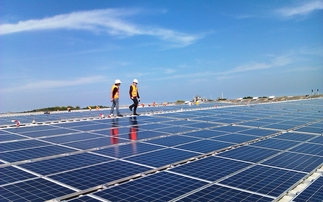
Meanwhile, the second Bill, SB32, which was authored by Gloria Negrete McLeod, mandates that California’s utility firms buy solar electricity from any facility generating between 1.5 and 3Mw at fixed rates that are higher than standard wholesale prices.
The former limit was 1.5Mw and the mechanism is referred to as a "feed-in tariff". The aim of the programme is to encourage sites with enough space to install solar panels by giving them a financial incentive to do so.
LATEST STORIES ABOUT TECHNOLOGY
YOU MAY ALSO LIKE
LATEST JOBS
TODAY'S TOP STORIES
HIGHLIGHT
Companies must be more open about which groups they fund and why, say green marketing experts
INSIGHT
INSIGHT
The science and practical application of an improved method for the specification of power and cooling infrastructure for data centres
A look at alternative approaches to managing energy for cost and/or sustainability reasons in data centres
WHAT DO YOU THINK? Add your comment