Shell halts wind and solar spending in favour of biofuels

Oil company confirms it has invested just over one per cent of budget in renewables over the last five years

By James Murray

18 Mar 2009

Be the first to comment

sugar cane

Oil giant Shell has announced it is to focus its future renewable energy strategy on biofuels and halt investment in technologies such as wind and solar, which it maintains are failing to offer sufficient economic returns.

Executives at its annual strategy presentation said that the company remained committed to building a "material business in alternative energy", but would take a more targeted approach to investment and primarily focus on biofuels.

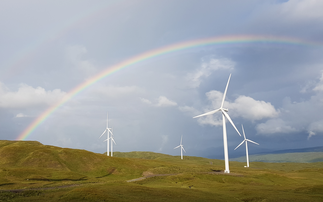
Shell currently operates about 550 megawatts of wind farm capacity around the world, but Linda Cook, Shell's executive director of gas and power, said such projects failed to present attractive investment opportunities.

"If there aren't investment opportunities which compete with other projects we won't put money into it," she said. "We are businessmen and women. If there were renewables [which made money] we would put money into it."

She added that biofuels were a better fit with Shell's core oil and gas business. "It's now looking like biofuels is closest to what we do in Shell," she said, adding that while wind and solar energy remained interesting, the company "may continue to struggle with other investment opportunities in the portfolio even with big subsidies in many markets".

Cook said that as a result Shell no longer expected "material investment [in wind and solar energy projects] going forward".

The announcement will not come as a surprise to many in the renewables industry. Last year, Shell pulled out of the London Array project to build the world's largest offshore wind farm citing economic concerns and arguing that it could generate better returns from projects in the US. But since then the company has made no high-profile wind or solar investments.

In contrast, it has established itself as the world's largest buyer and blender of biofuels and has increased funding for a number of developers of second generation biofuels over the past year, only this month taking a larger stake in biofuel specialist Codexis.

The move is likely to anger environmentalists, particularly given Shell also confirmed long-held suspicions that its overall investment in renewable energy remains paltry compared to the rest of its R&D budget.

The company announced that despite high profile advertising campaigns highlighting its various green initiatives, it has invested just $1.7bn in renewable energy and projects to reduce carbon dioxide emissions over the past five years. That represents a little more than one per cent of its $150bn investment budget over the five years and compares with $1.7 trillion in company sales and $126.8bn in net profit for the 2003-2008 period.

Friends of the Earth (FoE) accused Shell of "backing the wrong horse" with its focus on biofuels, arguing that they "often lead to more emissions than the petrol and diesel they replace".

However, the lobby group did express hope that the backing away from wind and solar would herald an end to adverts that attempted to highlight the company's investment in wind and other renewable technologies.

WHAT DO YOU THINK? Add your comment


Greg Barker has said that despite cuts to solar incentives the industry will continue to grow this year - is he right?

2%

5%

8%

85%

INSIGHT

Submit your email address and we'll send a link to a personal newsletter control panel


Mechanical Integrity Engineer

09 Feb 2012

Mechanical Integrity Engineer, 35,000-45,000, Midlands A global power organization are looking to identify a Mechanical Integrity Engineer to become part of a globally accalimed engineer department. Delivering R&D Projects in relation to the business' GAS and Steam Turbine operations - the role will challenge the engineers mechanical design capabilities and integrity of company products. The succe

APC

Guidelines for specification of data centre power density

The science and practical application of an improved method for the specification of power and cooling infrastructure for data centres

Quocirca

Powering the data centre

A look at alternative approaches to managing energy for cost and/or sustainability reasons in data centres