China trumps US in race for renewable energy investors

China boosts its position in Ernst and Young's Renewable Energy Country Attractiveness Index as US lags behind

By James Murray

08 Sep 2010

Be the first to comment

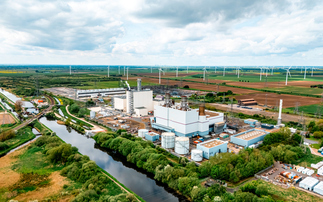
wind farm

China has surged ahead of the United States in the race to become the most attractive place for renewable energy investment, according to a report today from Ernst & Young.

Last year, China and the US tied for first place in the consultancy giant's annual Renewable Energy Country Attractiveness Indicies. However, this year's report shows the US has dropped two points in the official league table allowing China to top the list.

The US fell back after it failed to incorporate plans for a federal Renewable Energy Standard in its watered down energy bill, fuelling investor fears that the country's currently strong package of clean energy incentives will be dismantled from next year.

Ben Warren, Ernst & Young's environment and energy infrastructure advisory leader, said China's steady rise to the top of the index reflected the government's consistent support for renewables.

He added that democratic countries attempting to attract renewable energy investors now face increasingly strong competition from China given the government's unwavering support for large scale low carbon infrastructure projects.

In contrast, the report noted that the US market has endured a clear loss of momentum as a result of the decision to scrap controversial climate change legislation.

"Although the United States remains a highly attractive location for investors in renewable energy, it is clear that recent events have stalled momentum," said Warren. "The US market continues to have significant potential but requires consistent political support to provide investors with the long-term confidence they need."

Meanwhile, the UK held on to fifth spot in the league table, which ranks countries based on renewable energy policies and their ability to attract international investors.

However, Warren warned that uncertainty surrounding environmental policy in the wake of the change of government could soon impact investor confidence.

"Following the introduction of feed-in tariffs for micro-generation, there has been a surge of activity in the market," he said. "Policy-makers could keep the positive momentum going by providing greater clarity on the impending heat incentive and the broader energy market review."

Similarly, doubts still remain whether the new Australian government will establish a national market for trading carbon emissions. However, Australia still increased its rating by one point after the senate passed legislation to ensure 20 per cent of energy is generated by renewables and committed A$652.5m (€458m) to set up a Renewable Energy Future Fund.

Commenting on the report, Jonathan Johns, director at consultancy Climate Change Matters, said the results highlighted the difference between China's planned economy and the more volatile policy environment experienced in democratic countries.

"[It is a] small wonder that in this issue China has reached the number one position in the Country Attractiveness All Renewables Ratings for the first time, while the position of the US shows signs of slipping further if more action does not occur," he said.

WHAT DO YOU THINK? Add your comment


As campaigners again write to Nick Clegg demanding action on mandatory carbon reporting rules, would your business like to see standardised rules enacted?

76%

16%

8%

NEWSLETTER

Information currently unavailable.
bg-cit2

Smart working in the 21st century

This new handbook explores practices that allow organisations to overcome their technological limitations and traditional office-culture challenges - freeing employees to do more with less from wherever they want to.

RISO

Colour printing: a licence to waste

The centralised printers used in many businesses are wasteful, unreliable and expensive to run - just as their suppliers intend