Drax shelves biomass plans, blames government

Power station operator says subsidies and carbon price too low to justify use of biomass technology

By BusinessGreen.com staff

19 Feb 2010

Be the first to comment

Wood chips

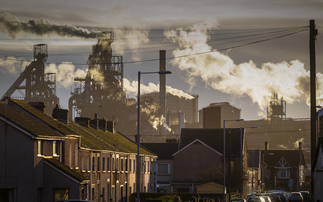
The UK's largest coal-fired power station has reportedly suspended high-profile plans to begin burning biomass alongside coal, which would have slashed the plant's carbon emissions by 3.5 million tonnes a year.

The Drax plant in North Yorkshire, which is the single largest source of carbon in the UK, has invested £80m installing co-firing technology that was expected to help cut its carbon emissions 17 per cent.

However, in an interview with the Times today Drax chief executive Dorothy Thompson revealed it remained significantly cheaper to burn coal on its own and as a result the new technology would operate at a fraction of its full capacity.

Thompson laid the blame for the decision firmly at the door of the government, arguing that existing subsidies for biomass were too low to make the fuel source financially viable.

"We are not confident that the [subsidy] regime for what is one of the cheapest forms of renewable energy will support operating the biomass unit at full load," she said. "The UK is missing out massively on the potential for renewable energy from biomass. We want to run in a low-carbon way but policy is against us."

She added that the company was also considering selling on two million tonnes of biomass that it has already purchased.

According to figures from the company, it costs it £31 per megawatt to produce energy from coal compared to £40 per megawatt for biomass. Thompson said that it remained cheaper for Drax to burn coal and purchase extra emission allowances under the European emission trading scheme than it was to switch to biofuel.

She also warned that the company was re-evaluating plans to invest £2bn in three new biomass plants. "We do not believe we can create a credible investment case for our shareholders if there is complete regulatory uncertainty," she told the Times, adding that the government's renewable energy strategy had become fixated on supporting wind energy and was neglecting other areas such as biomass.

"I think they simply have not put enough expertise into biomass. Wind is not a silver bullet; its benefits have been overstated," she said, arguing that biomass received a quarter of the subsidy provided for wind energy.

The move will be seen as a major blow to the government's low-carbon strategy and its claims that the European emissions trading scheme remains the most effective means of providing power companies with incentives to switch to lower alternatives.

Critics of the ETS have long complained that the price of carbon is too low to stimulate long-term investments in low-carbon technologies, a view endorsed recently by an Environmental Audit Committee report. But Drax is the highest-profile firm to date to confirm that renewable energy investments are being delayed as a direct result of the low price of emission allowances.

The company could yet revive its biomass plans if subsidies increase or the price of carbon rises, making biomass more competitive.

However, in the short term the decision represents a further blow to the UK's biomass sector after the government surprisingly excluded it from its new feed-in tariff scheme and announced that the subsidy regime for the industry would need to be reviewed.

According to the Renewable Energy Association, plans for more than 50 biomass projects, totalling £13bn of investment, have now been suspended as a result of uncertainty over the level of support they will receive.

A Department of Energy and Climate Change spokesman said the government was aware of the the need to review how biomass is supported by existing subsidy mechanims. "We’re reviewing whether current arrangements already available provide enough certainty for investors," he said. "In doing this we must be particularly mindful of the sustainability of biomass and the impacts on energy consumers' bills."

WHAT DO YOU THINK? Add your comment


As campaigners again write to Nick Clegg demanding action on mandatory carbon reporting rules, would your business like to see standardised rules enacted?

74%

15%

11%

NEWSLETTER

Information currently unavailable.
bg-cit2

Smart working in the 21st century

This new handbook explores practices that allow organisations to overcome their technological limitations and traditional office-culture challenges - freeing employees to do more with less from wherever they want to.

RISO

Colour printing: a licence to waste

The centralised printers used in many businesses are wasteful, unreliable and expensive to run - just as their suppliers intend