01 Dec 2008
US utility Xcel Energy has confirmed that it is on track to begin operating one of the largest smart grids in the world late next year, in a move that will provide 100,000 homes in Boulder, Colorado with accurate energy use data and allow the utility to slash its carbon emissions.
The Boulder smart grid will see the utility take energy usage information from every home in the city via real time smart meters, allowing it to predict demand much more accurately. Consequently, the company should be able to reduce the base loads of energy it produces as it will no longer have to over supply the city to guard against black outs.
"This is a forward-thinking project that will transform the way we do business," said Xcel chairman Dick Kelly. "Our customers will choose when and how they use their energy based on price, generating resource or convenience.”
A "demand response" agreement with homeowners will also provide the utility with the ability to automatically switch off appliances, such as washing machines or dryers, at times of peak demand allowing it cut energy demand still further.
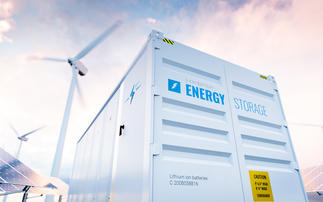
Part of the scheme will also see charging points for electric cars installed in homes. When the grid has surplus power users can charge their car up at lower tariffs, then at times of peak demand the utility can draw extra capacity back from the cars - which will act like a network of batteries – and reimburse consumers appropriately.
The company expects these two measures to deliver significant reductions in the amount of energy it has to generate.
Meanwhile, as homes begin to measure their energy use more effectively Excel hopes to introduce real time pricing so that electricity is more expensive when demand is peaking and cheaper at times of low demand - a strategy it hopes will help flatten out the difference between peak anbd off-peak demand still further.
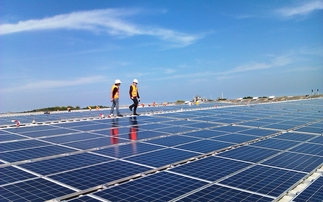
The grid will also have the capacity to support distributed generation technologies such as solar panels and micro wind turbines, allowing the company to offer feed-in tariffs for those businesses and households that wish to participate in community or home renewable generation schemes.
Information from the new smart meters is unlikely to travel over the grid itself, according to Accenture's Gaelle le Roux, who consulted on the scheme.
"It will most likely travel over the grid from homes to substations, and then be transmitted back to the utility through a traditional telecoms network from there," she said.
The smart meter and grid rollout are currently underway, and the whole system is likely to begin operating by December next year.
LATEST STORIES ABOUT TECHNOLOGY
YOU MAY ALSO LIKE
LATEST JOBS
TODAY'S TOP STORIES
HIGHLIGHT
Solar sector warns proposed cuts to feed-in tariffs would make it impossible for them to deliver promised rates of return
INSIGHT
INSIGHT
The science and practical application of an improved method for the specification of power and cooling infrastructure for data centres
A look at alternative approaches to managing energy for cost and/or sustainability reasons in data centres
WHAT DO YOU THINK? Add your comment