Chinese province plans nuclear power surge

Guangdong province announces plan to increase nuclear capacity sixfold by 2020, as reports emerge that an official has been arrested over alleged bribes to France's Areva

By Yvonne Chan in Hong Kong

12 Aug 2009

Be the first to comment

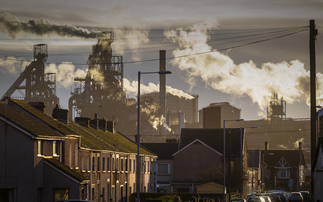
Nuclear power plant

China's southern Guangdong province has announced that it intends to boost its nuclear power capacity sixfold to 24GW by 2020, as part of the nation's plan to bolster its low-carbon energy sector.

The state-owned Xinhua news agency this week quoted Li Miaojuan, director of the Guangdong Development and Reform Commission, as saying that the local government will make nuclear power a key "pillar" in the province's supply of clean electricity.

She noted that coal is the province's dominant power source, with hydropower, nuclear, solar, gas and wind sources comprising only about one third of Guangdong's electricity.

China plans to increase its installed nuclear power capacity to 86GW by 2020, up from the current 9GW. The government views nuclear energy as a key component in its efforts to curb its carbon emissions and reduce the nation's reliance on coal.

Guangdong is China's most populous province, with about 110 million residents. Its electricity needs have been growing along with the population, with power consumption for June reaching 2.9 billion kWh, up eight per cent year on year, according to government figures.

Construction on a $10.2bn (£6.2bn) nuclear plant started in December in Yangjiang city, located on Guangdong's south coast. It will house six pressurised water reactors, each with a capacity of 1GW. The first reactor is expected to be operational by 2013, with the other five to be completed by 2017.

However, the credibility of the country's nuclear initiative received a blow last week when reports emerged that Kang Rixin, the head of China's nuclear power plant construction program, has been arrested on suspicion of accepting $256m in bribes from French engineering giant Areva. The Chongqing Times newspaper reported that the alleged bribes were related to the award of a project in Guangdong to the nuclear power giant.

In 2007, Areva signed an €8bn (£6.8bn) deal with state-owned company China Guangdong Nuclear Power Group for the construction of two reactors in Guangdong's Taishan city.

In addition to the bribery allegations, Kang is purported to have bought stocks using public funds earmarked for the construction of three nuclear power plants. The alleged stock trades resulted in huge losses after the market crashed last year, the Chongqing Times reported.

WHAT DO YOU THINK? Add your comment


As campaigners again write to Nick Clegg demanding action on mandatory carbon reporting rules, would your business like to see standardised rules enacted?

75%

15%

10%

NEWSLETTER

Information currently unavailable.
bg-cit2

Smart working in the 21st century

This new handbook explores practices that allow organisations to overcome their technological limitations and traditional office-culture challenges - freeing employees to do more with less from wherever they want to.

RISO

Colour printing: a licence to waste

The centralised printers used in many businesses are wasteful, unreliable and expensive to run - just as their suppliers intend