US could generate a fifth of electricity from wind by 2030

DOE report claims massive scaling up of wind capacity is both technically and economically feasible

By James Murray

14 May 2008

Be the first to comment

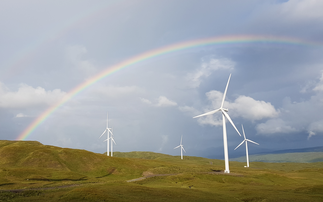
Wind farm

The US could generate up to a fifth of its electricity from wind power by 2030, according to a major new report released this week by the Department of Energy (DOE).

The study concludes that it is technically and economically feasible for the US to meet 20 per cent of its electricity needs from wind by 2030, but warns that major improvements in transmission infrastructure and domestic manufacturing capacity will be required if the target is to be met.

"The report correctly highlights that greater penetration of renewable sources of energy into our electric grid will have to be paired with advanced integration technologies and new transmission," said DOE assistant secretary for electricity delivery and energy reliability Kevin Kolevar. "In many cases, the most robust sources of renewable resources are located in remote areas, and if we want to be able to deliver these new clean and abundant sources of energy to population centres, we will need additional transmission."

The study also calls for a rapid acceleration in the development of new wind farms, noting that while the US wind industry has grown 30 per cent a year for the last five years, annual installations will need to increase more than threefold if the 20 per cent goal is to be reached.

However, while accepting that infrastructure challenges remain, the study dismisses many of the economic arguments that opponents of wind energy have put forward. It argues that despite high profile supply chain issues no material constraints exist, and that while demand for copper, fibreglass and other raw materials will increase "achieving 20 per cent wind is not limited by the availability of raw materials".

Moreover, it claims the cost of connecting wind turbines to the grid is " modest", concluding that "20 per cent wind can be reliably integrated into the grid for less than 0.5 cents per kWh".

"The 20 per cent wind scenario would only cost two per cent more than the cost of the baseline scenario without wind," said Suedeen Kelly, a commissioner at the Federal Energy Regulatory Commission (FERC). "At 50 cents per month for the average ratepayer, that is a small price to pay for the climate, water, natural gas, and energy security benefits it would buy – and it does not even count the stability provided to consumers by eliminating fuel price risk."

The report estimated that should 20 per cent of US electricity be generated from wind energy, it would result in a cumulative cut in carbon emissions of 7.6 gigatons and lead to 825 million fewer metric tonnes being released each year from 2030 onwards compared to a business as usual scenario.

Randall Swisher, executive director of the American Wind Energy Association, said that the saving would equate to taking 140 million cars off the road. "As an inexhaustible domestic resource, wind strengthens our energy security, improves the quality of the air we breathe, slows climate change, and revitalises rural communities," he added.

In related news, Danish wind turbine manufacturer Vestas last week announced plans to build the world's largest tower manufacturing plans by the end of 2010.

The company said that the $250m plant, which follows the opening last month of the company's first US factory in that state, will produce 900 wind towers a year and employ around 400 people.

The company said in a statement that despite current uncertainty about the extension of US renewable energy incentives, the fact that 25 states have already set targets for greater use of alternative energy meant that the firm is "confident that the USA will henceforth pursue a more long-term energy policy instead of the prevailing highly short-term approach to wind power".

WHAT DO YOU THINK? Add your comment


Greg Barker has said that despite cuts to solar incentives the industry will continue to grow this year - is he right?

8%

7%

8%

77%

INSIGHT

Submit your email address and we'll send a link to a personal newsletter control panel


Hardware Engineer / Electroni

10 Feb 2012

Hardware Engineer FPGA,VHDL,Embedded C,PCB Layout,Orcad My client a leading design and manufacturing company is looking for an experienced hardware engineer, electronic engineer. This forward thinking organisation will create ample opportunities for the right Hardware electronics engineer. The Hardware Engineer will design, implement, evaluate and verify complete data acquisition systems and the s

APC

Guidelines for specification of data centre power density

The science and practical application of an improved method for the specification of power and cooling infrastructure for data centres

Quocirca

Powering the data centre

A look at alternative approaches to managing energy for cost and/or sustainability reasons in data centres