25 Feb 2010
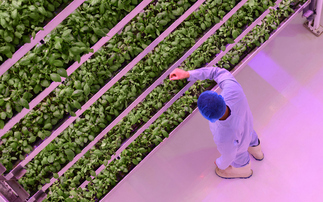
The Environment Agency chairman Lord Smith has signaled he would endorse the expanded use of genetically modified (GM) crops and nanotechnology-based farming techniques, arguing they are likely to prove necessary to help the agricultural sector cope with climate change.
Speaking at the National Farmers' Union's (NFU) annual conference in Birmingham yesterday, Smith urged farmers to embrace new technologies in order to bolster yields and prepare for changing weather patterns.
"New tools and technologies are becoming available, nanotechnology for example, as well as the use of satellites, IT and other tools to support precision farming," he said. "We need to understand the environmental implications of novel approaches in order to embrace them and be clear how they will help us achieve long-term goals."
Controversially, he included GM crops as an example of the type of new approaches farmers should adopt.
"We can already see wildlife following climate change – the mayfly is now found some 40 miles further north than before and warmer winters and wetter summers are thought to be a major factor in the rapid decline of pollinating insects with UK bee populations, in particular, falling by 10-15 per cent over the last two years," he observed.
"The reliance on seasonal weather patterns means that farming will follow climate change too. My own personal view is that we probably need to be readier to explore GM options, coupled of course with proper environmental safeguards, in adapting to the changes that the climate will bring."
Advocates of GM argue modified crops can prove significantly more resistant to droughts and diseases that are likely to be exacerbated by climate change. The sector has also been given a significant boost in recent years with the government signaling its support for expanded use of GM and a major independent report from the Royal Society which called for increased investment in GM R&D to help tackle looming global food shortages.
However, GM remains highly controversial with many green groups and organic farmers fiercely opposed to a technology they believe could damage conventional crops.
Less controversial is Smith's calls for farmers to increase investment in irrigation and water saving measures, warning new infrastructure will be needed to cope with the dryer summers that are expected to accompany climate change.
"In adapting to climate change, farming can also help us to manage water supply – this will be essential as we predict demand for irrigation will increase by 25% over the next 10 years," he said. "We will need to get better at storing water in winter to use in the summer."
LATEST STORIES ABOUT TECHNOLOGY
YOU MAY ALSO LIKE
LATEST JOBS
TODAY'S TOP STORIES
HIGHLIGHT
The best green companies in the UK should be preparing their entries for annual BusinessGreen Leaders Awards
INSIGHT
INSIGHT
The science and practical application of an improved method for the specification of power and cooling infrastructure for data centres
A look at alternative approaches to managing energy for cost and/or sustainability reasons in data centres
WHAT DO YOU THINK? Add your comment