L'Oreal brews up slurry-powered hair dye

Cow power to provide energy for beauty giant's Belgium factory

By James Murray

23 Apr 2009

Be the first to comment

Cow

As one of the world's leading manufacturers of sweet-smelling cosmetics, L'Oreal is hardly the first company you would associate with manure, but that could be about to change for one of the company's factories in Belgium.

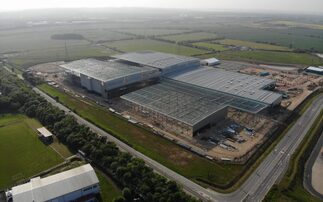
Later this summer, the Libramont plant, which mainly produces haircare products, will complete work on an anaerobic digestion system that aims to capture methane from waste biomass and burn it to generate electricity and heat for the site.

Speaking to BusinessGreen.com, Pierre Simoncelli, director for sustainable development at the company, said that the factory was situated in a cattle-farming area that would provide the slurry to power the new technology.

"We plan to start by using a mixture of organic waste and corn, but we should then be able to switch fairly quickly to just using organic waste," he explained, adding that the biomass power system should provide enough energy for 85 per cent of the factories' current requirements.

The project is part of a major new environmental push from the beauty giant, which saw it announce yesterday that it would cut carbon emissions from its factories and warehouses by 50 per cent on 2005 levels by 2015, while also halving water use and waste generation per unit of finished product.

Simoncelli said that in order to meet the carbon target, the company would focus on accelerating the rollout of onsite renewable energy technologies and increasing the amount of energy it sources from green suppliers.

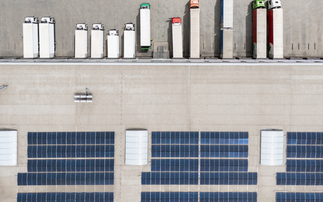
"We already have programmes in place to save energy and deploy PV or solar thermal technology at all our new facilities," he added. "We will continue with those and also have plans in place to buy more green energy where possible, particularly in the US."

The company has opted to set relative rather than absolute targets for waste and water as significant progress has already been achieved in both areas, Simoncelli said.

He added that the company would not have been able to cut total water use by 50 per cent by 2015, but would aim to deliver savings in the region of 30 to 35 per cent through wider rollout of rainwater-capturing systems and the use of steam-cleaning technologies.

WHAT DO YOU THINK? Add your comment


Greg Barker has said that despite cuts to solar incentives the industry will continue to grow this year - is he right?

4%

6%

7%

83%

INSIGHT

Submit your email address and we'll send a link to a personal newsletter control panel


Mechanical Integrity Engineer

09 Feb 2012

Mechanical Integrity Engineer, 35,000-45,000, Midlands A global power organization are looking to identify a Mechanical Integrity Engineer to become part of a globally accalimed engineer department. Delivering R&D Projects in relation to the business' GAS and Steam Turbine operations - the role will challenge the engineers mechanical design capabilities and integrity of company products. The succe

APC

Guidelines for specification of data centre power density

The science and practical application of an improved method for the specification of power and cooling infrastructure for data centres

Quocirca

Powering the data centre

A look at alternative approaches to managing energy for cost and/or sustainability reasons in data centres