29 Jul 2010
Britain should renegotiate its commitment to close old coal- and oil-fired power stations by 2015, so it can decarbonise generating capacity without racking up high costs for business and consumers, claims a report from energy analysts to be published next week.
The European Large Combustion Plant Directive (LCPD), first drawn up in 1988, imposes tough limits on emissions of sulphur and nitrogen oxides. To stay within those limits, coal-fired stations will have to fit expensive scrubbing equipment. Under the LCPD, unscrubbed plants are allowed to operate for only 20,000 hours from 2008 until they close altogether at the end of 2015.
Consultancy Arthur D Little suggests that the government should renegotiate the terms of the LCPD to allow the plants to stay open another three years, tiding us over until renewable sources and nuclear can be ramped up sufficiently and providing better value for all energy consumers.
The report, Realigning UK Energy Policy, states: "The recession and global energy prices have conspired to ensure that these plants are unlikely to reach their 20,000 hours running time limit by 2015, when they must close, according to current commitments.
"At a time when this type of plant will be needed the most, it makes sense from both security of supply and cost perspectives to allow this flexible capacity to remain on the system, while still limiting their operations to 20,000 hours, providing some much-needed breathing space within the energy infrastructure supply chain."
Even though this would mean slowing the rate of decarbonisation, the report recommends the government puts more thought and less haste into energy policy.
“This will result in a short-term slow-down in greenhouse gas emission reductions, but it will mean that expensive investment decisions are made wisely and that, in the long run, we will be more likely to balance ambitious environmental targets and deliver secure energy supplies while still achieving value for consumers’ money,” the report reads.
The report was drawn up in parallel with DECC’s energy review published on Tuesday and criticises successive governments for “flip-flopping between conflicting policy objectives”.
Nick White, co-author of the report and UK energy practice leader at Arthur D Little, said: “Would it be a catastrophe if we don’t hit our interim emission reduction targets until 2023? Two or three years could provide the breathing space required to optimise our power systems. These are long-term investments and we shouldn’t be too hasty.”
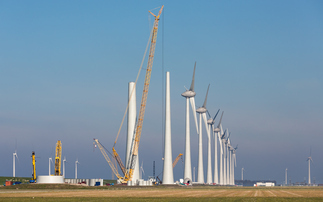
The report takes the government to task for fixating on wind energy which it says is “towards the upper end of the carbon-abatement cost curve”.
“Do businesses and consumers know they will have to pay this premium?” White asks.
LATEST STORIES ABOUT ENERGY
YOU MAY ALSO LIKE
LATEST JOBS
TODAY'S TOP STORIES
HIGHLIGHT
BIS initiative aims to shift government and corporate procurement towards low carbon goods and services
INSIGHT
NEWSLETTER
INSIGHT
This new handbook explores practices that allow organisations to overcome their technological limitations and traditional office-culture challenges - freeing employees to do more with less from wherever they want to.
The centralised printers used in many businesses are wasteful, unreliable and expensive to run - just as their suppliers intend
WHAT DO YOU THINK? Add your comment
designer bags
look at for more detail suprisely
Posted by Aromy, 03 Nov 2011
Nick White + Oil and Gas
It is interesting to check out Mr. White's recent consultancy projects, clearly focussed on oil and gas clients: http://www.mjmenergy.com/Lecturers/Nick_White/
Posted by John Black, 30 Jul 2010