US firm floats air storage for when the wind stops blowing

New underground compressed air technology could be used to store energy from wind farms, enabling a steadier power supply

By Danny Bradbury

28 Aug 2008

Be the first to comment

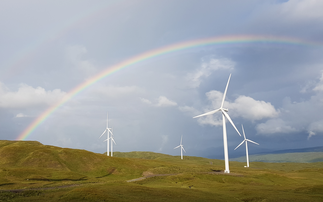
Wind farm

New Jersey-based energy company Public Service Enterprise Group (PSEG) has this week launched a joint venture to develop and license an energy storage technology using compressed air.

The company created the venture, Energy Storage & Power, with Dr Michael Nakhamkin, who holds a patent on a new compressed air-based energy storage system that could be used to store power generated by wind turbines.

The technology can be used in above-ground installations for smaller energy storage, or below-ground installations such as caverns for storing larger amounts of energy. It can store and retrieve energy with 80 per cent efficiency, executives at the company said.

PSEG believes that the system can be used to regulate the energy supply from renewable resources, and in particular intermittent sources such as wind power.

Nakhamkin's other company, Energy Storage Power, used the first generation of the air storage technology to create the McIntosh plant, a 120MW installation in Alabama, in 1991. That plant is running successfully, but was out of commission for two years following the failure of custom parts, said Roy Daniel, chief executive of the new joint venture. The second generation of the technology uses off-the-shelf parts, making construction and maintenance much easier, he added.

The joint venture will licence the technology to third parties, said Daniel. "EPRI [the Electric Power Research Institute] is already going forward with a showcase. They're demonstrating a 15MW plant using above ground storage, and then a bulk size plant, which we're calling the nominal 300," he said.

A 300MW plant must still produce roughly 100MW of energy from fossil fuel, said PSEG executives, because a turbine is necessary to create exhaust heat that could warm the compressed air as it was released from storage. However, it would still provide an efficient means of storing large quantities of excess energy generated by wind farms that could then be easily brought on line when the wind is not blowing.

WHAT DO YOU THINK? Add your comment


As campaigners again write to Nick Clegg demanding action on mandatory carbon reporting rules, would your business like to see standardised rules enacted?

74%

14%

12%

NEWSLETTER

Information currently unavailable.
bg-cit2

Smart working in the 21st century

This new handbook explores practices that allow organisations to overcome their technological limitations and traditional office-culture challenges - freeing employees to do more with less from wherever they want to.

bg-wp

What next for the Carbon Reduction Commitment?

This BusinessGreen white paper recommends that policymakers focus proposed reforms of the CRC on reducing the scheme's administrative burden and removing the league table element.