Report slams low-carbon tar sand "myth"

Joint Co-operative Group-WWF report warns that even with the most optimistic projections for CCS development, exploiting tar sands for oil remains highly carbon intensive

By Tom Young

27 Oct 2009

Be the first to comment

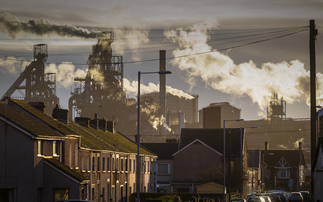
Tar sand development

The potential rollout of carbon capture and storage (CCS) technology should not be used to justify the continued expansion of Canada's controversial tar sands industry, according to a major investor-backed report released yesterday.

The report, from Co-operative Financial Services and WWF-UK, challenges oil industry and Canadian government claims that fitting emerging CCS technologies to the plants used to extract and refine oil from tar sands will sufficiently limit the emissions generated from the energy-intensive process.

The study found that the amount of CO2 emitted during production needs to be reduced by about 85 per cent to make tar sands oil comparable with conventional oil – way beyond the most optimistic forecasts for CCS.

It added that even under the most optimistic scenarios for the application of CCS, the projected production emissions from tar sands developments would be greater than the whole of Canada's 2050 carbon budget were it to stick to its existing emission-reduction targets.

It also calculated that the maximum potential of CCS would not reduce life cycle emissions of tar sands oil to levels needed to meet emerging international low-carbon fuel standards, such as those adopted in California and the EU.

Paul Monaghan, head of social goals at Co-operative Financial Services, said the report showed that "even the most wildly optimistic scenarios for the development of CCS fail to bring emissions down to those of today’s conventional fossil fuels".

He added that the research further highlighted the investment risks associated with tar sands projects that remain largely incompatible with global efforts to curb carbon emissions.

The Co-operative Group has been campaigning against carbon-intensive investments such as tar sands projects, arguing that the likely introduction of carbon legislation and emission pricing schemes mean they present significant long-term risks for investors.

Last year, the company released research showing that oil produced from tar sands emits on average three times more CO2 through its life cycle than conventional oil. It also warned that exploiting Canada's tar sands alone could increase global atmospheric CO2 concentrations by more than 10 parts per million.

David Norman, director of campaigns at WWF-UK, warned that the continued focus on fitting CCS to tar sands plants was "diverting money away from projects that will help meet the global energy demand without damaging the climate". He added that "Canada should invest in other low-carbon technology and stop the expansion of tar sands."

WHAT DO YOU THINK? Add your comment


As campaigners again write to Nick Clegg demanding action on mandatory carbon reporting rules, would your business like to see standardised rules enacted?

74%

15%

11%

NEWSLETTER

Information currently unavailable.
bg-cit2

Smart working in the 21st century

This new handbook explores practices that allow organisations to overcome their technological limitations and traditional office-culture challenges - freeing employees to do more with less from wherever they want to.

RISO

Colour printing: a licence to waste

The centralised printers used in many businesses are wasteful, unreliable and expensive to run - just as their suppliers intend