Energy policy, smart meters and electric cars

Energy analyst's report questions wisdom of DECC’s energy review

By Andrew Charlesworth

29 Jul 2010

Comments: 2

coal

Coincidental with DECC’s release of its energy review, consultancy Arthur D Little is publishing a report on energy policy, Realigning UK energy policy – from a high-cost, low-output system to a robust, cost-efficient infrastructure. BusinessGreen.com spoke to Nick White, UK managing director and energy practice leader at the consultancy and co-author of the report.

BusinessGreen.com: Your report is quite critical of UK energy policy up until now, especially the recent emphasis on wind energy. Why is that?

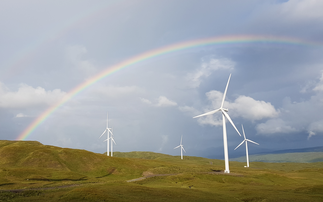
Nick White: We think there are other ways of reducing GHG emissions at lower cost. The intermittency of wind power means that you have to have some three times the number of turbines installed to replicate the equivalent output of non-intermittent generators. Sometimes theoretical megawatts of capacity seem to be confused with actual kilowatt-hours of output in the minds of policy makers.

And then there are constraints in the supply chain for manufacturing and installing wind turbines, especially offshore. If, as DECC says, we are to install 7,000 turbines over the next 10 years, that is two a day, every day of the decade. One of the scenarios illustrated in the Pathways 2050 analysis has 44,000 turbines installed by 2050 – admittedly not all offshore.

But, given that offshore installation is dependent on favourable weather conditions, that seems like a physically impossible schedule, even if all the supply ships and engineering equipment were available on the scale required for such an undertaking, which they are not yet. Policy makers seem to gloss over these real-world engineering constraints.

You have to have some trade-offs between the conflicting demands of cost, security and low carbon. We need to have an open debate about what these trade-offs mean in economic terms. What seems to be missing currently is the cost of each path that we could possibly take. What seems to be forgotten is that there is no monopoly on power generation which the government can direct to invest in specific technologies. The companies responsible will only invest if the incentives – the returns – are right. And many of these are international companies so the UK is competing with other countries for these companies’ investments.

BusinessGreen.com: Is it the haste or the technology choices that you object to?

Nick White: Both. There is nothing magic about 2020 as a year. But politicians like deadlines. Would it be a catastrophe if we don’t hit the targets until 2023? Two or three years could provide the breathing space required to optimise our power systems. These are long-term investments and we shouldn’t be too hasty. New technologies and priorities are emerging all the time.

The same goes for the notion of having new nuclear plant on the grid by 2018. Given the experience of other countries that is overly ambitious.

The lifecycle of investment in energy infrastructure is totally out of synch with the political lifecycle. A government lasts five years, maximum; the average energy secretary about two. But it typically takes 10 years for a nuclear plant to go from initial planning permits to supplying electricity to the grid. Huhne has said that the lights won’t go out on his watch. He’s probably right, but only because the chances are he won’t be around if they do.

If you compare the investment required for say, offshore wind versus gas, offshore wind is at the upper end of the abatement cost curve and18 times more expensive to install a given generating capacity than gas. Do businesses and co nsumers know they will have to pay this premium?

BusinessGreen.com: Your main thrust seems to be to keep open some of the coal- and oil-fired plants scheduled for closure.

Nick White: What we’re saying is perhaps we could row back on the commitment given that diminished demand during recession means the coal plants won’t have run for the 20,000 hours they are limited to under the European Legislation [the Large Combustion Plant Directive] by 2015. Supposing we renegotiated a deadline of 2018? That would give us wriggle room to achieve what we want at lower cost.

BusinessGreen.com: Would that trash our carbon targets?

Nick White: We haven’t calculated that accurately, but it’s a question of balance. If we missed the targets by 50 per cent, I can see a problem, but if we were otherwise on track and missed the target by five per cent, would that be a disaster if we saved £1bn in the process?

The track record of major infrastructure projects – with the exception hopefully of the Olympic Stadium – is that they slip a bit.

BusinessGreen.com: Will smart meters change consumer behaviour as much as the government hopes?

Nick White: We have our doubts that smart meters will change behaviour radically. All the attention has been on changing consumer behaviour but really it should be on boosting micro-generation by enabling accurate feed-in tariff information for upstream suppliers, and providing suppliers with accurate demand information so they can optimise the grid by reducing the amount of spinning reserve required.

BusinessGreen.com: Does electrification of vehicles make sense when we are struggling to meet electricity demand as it is?

Nick White: The consumer has been sold a pup. Pure electric vehicles will need a vast recharging infrastructure and possibly an extra 20GW of generating capacity. There needs to be some system thinking on this subject.

Most electric vehicles are priced well beyond the pocket of consumers and all the while conventional internal combustion engines are becoming more fuel-efficient. We need an open and informed debate on this.

WHAT DO YOU THINK? Add your comment


Greg Barker has said that despite cuts to solar incentives the industry will continue to grow this year - is he right?

4%

4%

8%

84%

INSIGHT

Submit your email address and we'll send a link to a personal newsletter control panel


Mechanical Integrity Engineer

09 Feb 2012

Mechanical Integrity Engineer, 35,000-45,000, Midlands A global power organization are looking to identify a Mechanical Integrity Engineer to become part of a globally accalimed engineer department. Delivering R&D Projects in relation to the business' GAS and Steam Turbine operations - the role will challenge the engineers mechanical design capabilities and integrity of company products. The succe

APC

Guidelines for specification of data centre power density

The science and practical application of an improved method for the specification of power and cooling infrastructure for data centres

Quocirca

Powering the data centre

A look at alternative approaches to managing energy for cost and/or sustainability reasons in data centres