Biofuels could lead to more emissions than fossil fuels

World Land Trust study of "biofuel lifecycle" concludes it has higher carbon emissions than petrol

By James Murray

20 Aug 2007

Be the first to comment

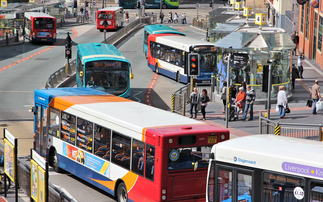
traffic

Another day, another report on the dangers associated with the rush towards biofuels.

However, this latest study from the World Land Trust might just represent a significant blow to the burgeoning biofuel market.

Up to now many of the reports attacking the viability of biofuels have focused on the fuel versus food debate and whether the need to allocate land for biofuel production will take land from food crops, leading to increased food prices and even shortages.

This is obviously not an insignificant problem with groups ranging from Mexican farmers to German gummy bear manufacturers testifying to the serious commercial consequences of already rising food prices.

However, the latest research from Renton Righelato of the World Land Trust and Dominick Spracklen of the University of Leeds has taken a different tack and argues that not only could increased biofuel production lead to food shortages it could also contribute to massively increased carbon emissions.

Biofuel, in short, could be exacerbating the one problem it set out to resolve.

The study - which has been published in the journal Science - claims to represent the first assessment of the carbon emissions across the whole biofuel lifecycle of planting, extraction, conversion into fuel and use and concludes that biofuel could result in the release of between two and nine times more carbon dioxide than fossil fuels.

The analysis is based on the prediction that demand for biofuel will lead to increased deforestation of tropical rainforests to make way for biofuel crops such as sugar cane and palm oil. Such deforestation, which is already well underway in several tropical countries, results in an immediate release of carbon emissions. The report argues that these emissions when added to further emissions associated with harvesting, biofuel conversion and transport ensures that biofuels are significantly more polluting than the fossil fuels they are designed to replace.

The report also warns that developing enough biofuel to meet US and European governments' targets without widespread deforestation is untenable, noting that 40 percent of Europe's arable land would be required to hit the target of just 10 percent of transport fuel coming from biofuels by 2020. As a result the burden for biofuel production will fall on the developing world, the report predicts, where acceleration in deforestation would become inevitable.

The study recommends that policy-makers would be better advised to invest the money ear marked for biofuels into preserving tropical forests and "increasing the efficiency of fossil fuel use and developing carbon-free transport fuels to replace fossil hydrocarbons".

The report is just the latest in a series of blows to the still burgeoning biofuel sector. Earlier this month the head of the International Food Policy Research Institute warned that food prices could climb by up to 80 percent as a result of the predicted biofuel boom, while a recent UN report warned about potential damage to wildlife and livelihoods as a result of biofuel.

Businesses, meanwhile, would be well advised to tread very carefully with any biofuel-based initiatives for their fleets until some kind of scientific consensus on the climatic impacts of the fuel emerges.

WHAT DO YOU THINK? Add your comment


Greg Barker has said that despite cuts to solar incentives the industry will continue to grow this year - is he right?

4%

6%

7%

83%

INSIGHT

Submit your email address and we'll send a link to a personal newsletter control panel


Mechanical Integrity Engineer

09 Feb 2012

Mechanical Integrity Engineer, 35,000-45,000, Midlands A global power organization are looking to identify a Mechanical Integrity Engineer to become part of a globally accalimed engineer department. Delivering R&D Projects in relation to the business' GAS and Steam Turbine operations - the role will challenge the engineers mechanical design capabilities and integrity of company products. The succe

APC

Guidelines for specification of data centre power density

The science and practical application of an improved method for the specification of power and cooling infrastructure for data centres

Quocirca

Powering the data centre

A look at alternative approaches to managing energy for cost and/or sustainability reasons in data centres