Businesses are being urged to measure the "water footprint" of their products, in the wake of a major new report arguing that the UK is responsible for far higher levels of water use than is widely believed.
The study from green group WWF claimed that while the average UK citizen uses around 150 litres of mains water a day, they consume about 30 times as much in the "virtual water" used to produce the food they eat and clothes they wear – the equivalent of 58 bathtubs of water a day.
Many of the products imported into the UK that require high levels of water in their production are grown or manufactured in areas of water shortage, meaning that the UK demand is contributing to serious environmental problems.
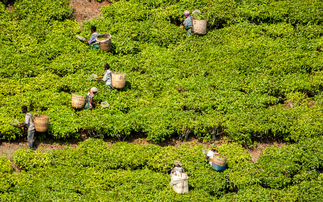
For example, the study found that one tomato from Morocco requires 13 litres of water to grow, while a shirt made from cotton grown in Pakistan or Uzbekistan soaks up 2,700 litres of water, much of which will have been drawn from the Indus or other rivers feeding the fast diminishing Aral Sea in central Asia.
Speaking to BusinessGreen.com, Dax Lovegrove, head of business and industry relations at WWF, said that the onus was on firms to help limit the water footprint of their products, adding that there was a strong commercial case for them to keep a closer track of water use.
"Very few businesses are getting to grips with this issue, but there is a really strong argument for working out what your water footprint is, what type of water you are using and where you are operating in regions under water stress," he said. "If firms are operating in areas where they are contributing to falling water shortages, they are opening themselves up to reputational, litigation and operational issues, in that water shortages could result in them no longer being able to operate."
He added that with climate change and population growth likely to make water shortages increasingly common, those businesses that embraced water saving measures would gain a competitive advantage. "We're working with some companies such as M&S and Coca Cola on addressing water issues, but to a large extent businesses are asleep to the upcoming water issues," he warned.
WWF is advising firms to undertake water audits similar to the carbon audits many are currently taking to measure the carbon footprint of their products. The group said that firms should then identify where their products may be contributing to water stress and seek to embrace water saving measures in those regions as a matter of urgency.
Lovegrove said that the onus was on food, drink and clothing companies in particular to address the issue. "Sugar and cotton are among the thirstiest crops on the planet, and food and textile companies will be badly hit by water shortages in the next few years if they do not act," he said.
Two of the world's biggest brands extend sustainability commitments in face of high-profile criticism 27 Jul 2009
Leading industry figures to offer their view on the transition to a low-carbon economy at November event 01 Oct 2009
Friends of the Earth’s biofuels campaigner Kenneth Richter argues that biofuel targets are a distraction from tried-and-tested ways of reducing transport emissions 09 Feb 2010
Trewin Restorick wonders if the concept du jour of "nudging" behaviour change can help curb UK carbon emissions 08 Feb 2010
From feed in tariffs to vanishing top soil, we run down the top stories from the past week 08 Feb 2010