Exclusive: Questions asked over confusing feed-in tariff figures

Renewable energy industry fears success of incentive scheme has been overstated, fuelling calls for it to be rolled back

By James Murray

03 Sep 2010

Be the first to comment

Solar rooftop

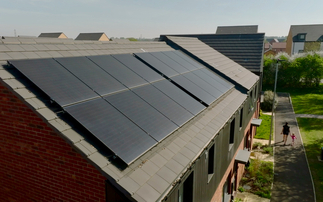
The apparent surge in renewable energy installations under the government's feed-in tariff incentive scheme has been exaggerated, according to industry insiders who fear erroneous reports of a "gold rush" in the sector could prompt the government to scale back the scheme.

Official figures from Ofgem suggest the number of installations of renewable energy technologies such as solar panels and small-scale wind turbines qualifying for the feed-in tariff scheme soared to almost 4,000 during August.

The figures were hailed as evidence that the scheme, which guarantees households and businesses that install renewable energy systems payments based on the amount of energy they produce, is far exceeding expectations.

However, sources within the renewable energy industry are concerned that the success of the scheme is being overstated because a large number of the installations recorded by Ofgem are pre-existing installations that have simply been registered into the feed-in tariff.

"There are solar panels that have been in place for five or six years that are being touted as new installations because the owner has simply switched from the previous Renewable Obligation (RO) support mechanism to the feed-in tariff, " said one source, speaking on condition of anonymity. "There has been increased demand for solar panels, but the numbers released by Ofgem are well above what the industry is seeing on the ground."

Insiders claim as many as 1,500 of the apparently new installations could in fact be pre-existing installations that have simply moved into the feed-in tariff scheme.

"We've asked Ofgem for clarification but it does not seem to know how many of the new installations were in place before the feed-in tariff started," said the source.

A spokeswoman for Ofgem told BusinessGreen.com that the Renewable and Combined Heat and Power Register which provides the figures makes it clear that it covers any installation that registers for the feed-in tariff, including pre-existing installations.

She added that the watchdog would release figures in the near future detailing precisely how many existing installations have transferred from the RO scheme to the feed-in tariff and how many are genuinely new installations.

However, she said it was not in a position to release the figures yet as the period during which RO-registered installations can transfer to the feed-in tariff is still ongoing.

The questions surrounding the accuracy of the figures are highly significant given that members of the coalition government have revealed that the feed-in tariff and the similar Renewable Heat Incentive that is due to be launched next year are being looked at as part of the Treasury's spending review.

Reports of the scheme's success, coupled with talk about a "gold rush" of solar firms seeking to cash in on the incentives, has prompted speculation that the payments provided through the feed-in tariff are overly generous and are driving up energy bills.

Energy minister Charles Hendry recently hinted that the scheme could be cut back, prompting shadow energy secretary Ed Miliband to today accuse the coalition of "betraying its promise on green energy".

Writing on his blog, the Labour leadership candidate said he was proud to have introduced the feed-in tariff policy and called on the coalition to reiterate its support for the scheme.

"This government promised to be the greenest ever but it is already betraying this promise," he said. "Unless we go ahead with the feed-in tariff and renewable heat incentive as planned, we will never achieve the greening of our energy supplies that we need. Instead of creating uncertainty and delay, the government should reaffirm the commitments made by the previous Labour government."

WHAT DO YOU THINK? Add your comment


As campaigners again write to Nick Clegg demanding action on mandatory carbon reporting rules, would your business like to see standardised rules enacted?

75%

16%

9%

NEWSLETTER

Information currently unavailable.
bg-cit2

Smart working in the 21st century

This new handbook explores practices that allow organisations to overcome their technological limitations and traditional office-culture challenges - freeing employees to do more with less from wherever they want to.

RISO

Colour printing: a licence to waste

The centralised printers used in many businesses are wasteful, unreliable and expensive to run - just as their suppliers intend