Papua New Guinea suspends carbon chief amid reports of dodgy deals

Foreign firms allegedly paid millions of dollars for unauthorised carbon credits

By Yvonne Chan in Hong Kong

02 Jul 2009

Be the first to comment

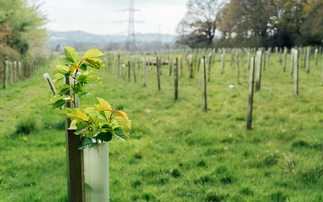
Rainforest

Theo Yasause, Papua New Guinea's Office of Climate Change (OCC) director, was suspended earlier this week following reports that he issued unofficial carbon credits worth millions of dollars from 39 different forestry projects.

The OCC has been accused of hiring two international brokers to sell carbon credits without the consent of landowners. Moreover, Papua New Guinea does not currently have a legislative framework to issue carbon credits and ensure they are properly verified.

The Economist magazine has obtained documents that suggest a series of multimillion-dollar carbon trading deals were made with foreign companies under the proposed Reduced Emissions from Deforestation and Degradation (REDD) mechanism.

Additionally, the Australian Associated Press news agency claims it has obtained documents showing that Adelaide-based carbon credit broker Carbon Planet paid A$1.2m (£588m, $968m) for projects in Papua New Guinea.

A government investigation was launched last month over the allegations. At the time, Yasause said that stolen "sample" documents, which appear to bear his signature, were leaked to the media.

He has denied any suggestion of wrongdoing, telling Australia's Canberra Times newspaper: "I have not sold or made any money out of this process. I have done no deals, nor sold any credits."

Papua New Guinea has the world's third-largest rainforest and is likely to be one of the main beneficiaries of UN proposals to integrate forest protection projects into the global carbon market as part of any deal that succeeds the Kyoto Accord.

The government is eager to use the country's forests as a revenue-generating asset for carbon trading, but has yet to implement the regulatory framework required to manage the issuance and trading of forest-based carbon credits.

Furthermore, the United Nations-led REDD process, which uses financial incentives to reduce deforestation and forest degradation, has yet to be formalised.

The scandal could further fuel fears among some green groups that attempts to place a financial value on standing forests could result in indigenous populations being exploited, and even forced from their land.

WHAT DO YOU THINK? Add your comment


Greg Barker has said that despite cuts to solar incentives the industry will continue to grow this year - is he right?

5%

6%

7%

82%

INSIGHT

Submit your email address and we'll send a link to a personal newsletter control panel


Mechanical Integrity Engineer

09 Feb 2012

Mechanical Integrity Engineer, 35,000-45,000, Midlands A global power organization are looking to identify a Mechanical Integrity Engineer to become part of a globally accalimed engineer department. Delivering R&D Projects in relation to the business' GAS and Steam Turbine operations - the role will challenge the engineers mechanical design capabilities and integrity of company products. The succe

APC

Guidelines for specification of data centre power density

The science and practical application of an improved method for the specification of power and cooling infrastructure for data centres

Quocirca

Powering the data centre

A look at alternative approaches to managing energy for cost and/or sustainability reasons in data centres