Road tax breaks for low-emission vehicles and incentives for electric cars and fuel cell vehicles also available
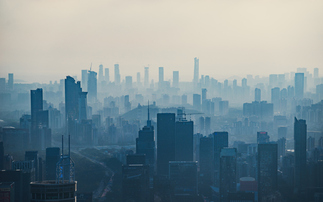
Motorists in Shanghai are set to get a one-time subsidy of up to 20 per cent of the retail price on eco-friendly cars under a scheme launched by officials in the Chinese city. The incentives, to be...
To continue reading this article...
Join BusinessGreen
- Enjoy exclusive news, insights and analysis from Europe’s leading source of information on the green economy and business.
- Make smart, responsible business decisions with an eye on the latest regulatory and tech development
- Tap into our extensive archive of exclusive articles, news, analysis and guide
- Access to our new BusinessGreen intelligence service, providing you with
- > Exclusive in-depth case studies
- > Policy briefings, white papers and reports on market trends that are shaping the direction of the net zero transition
- > Our overnight briefing, expertly curated help you run a competitive and sustainable business
- > Online and interactive meetings with BusinessGreen’s editors to discuss the crucial stories and trends from the past month
Choose from 3 paid membership levels or start a 7-day no strings trial.