We're all offsetters now.
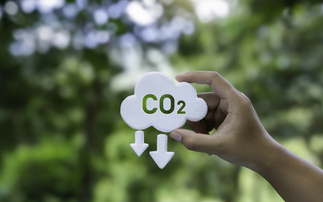
Indeed we are. Carbon offsetting has been one of the biggest business stories of
the year and the trend has gone so mainstream that thousands of people can even
expect to get offset tokens in their stockings for Christmas. Experts are
predicting the global market for voluntary offsets will be worth $4bn by 2010.
$4bn, really?
According to the FT, and it's pretty plausible when you think about it.
Both consumers and corporations want to be green and paying for a project that
will either remove your emissions from the atmosphere or ensure that an
equivalent quantity of emissions are not released offers an easy way to bolster
green credentials. Everyone's at it, from Sky to HSBC to Dell to your
conscientious holiday maker or business traveller. The market is booming and
organisations such as Climate Care,
The Carbon Neutral Company,
Pure and
Carbonfund.org are fast becoming
household names.
Sounds great.
Yes, it would be if there was any confidence that offsetting actually
worked.
Erm, you mean it doesn't? I've just
paid 80 pence to
offset a flight to Paris.
You should have taken the train. There really isn't much agreement over whether
it works or not. Critics claim that there are many instances where you end up
investing in emission projects that would have gone ahead anyway so there is no
additional benefit. There are also concerns that some firms use calculations for
the emissions impact of flight that are inaccurate, that some unscrupulous
carbon project managers have sold the same unit of offset carbon twice over,
that projects may fail to deliver expected emission reductions, and that some
initiatives may even damage local communities.
But surely if you go with a reputable provider they make sure these
things don’t happen?
In theory, yes. All the decent providers go to great lengths to promote the
various protocols they adhere to when authorising investments and running carbon
offset projects and many of them do greatly limit the risk that the money is
being wasted. But unfortunately even some of the more reputable providers have
been caught out funding projects that appear pretty flawed.
So what's being done about these problems?
The government has actually moved surprisingly quickly on this one and has
developed a voluntary code of best practice for the industry so stringent that
only a handful of offset companies operating in the UK would currently comply.
It's only
at
the consultation stage and the final version is likely to be watered down a
bit, but the whole offset industry is in broad agreement that there is the need
for an independent standard that will hopefully be seen as gold label by
customers.
Great. Any offsets I buy in the future will have the government seal
of approval?
That, of course, would be good but I'm afraid it's unlikely to completely
guarantee you will successfully offset your carbon emissions. The standards the
government are using are based on the UN's Clean Development Mechanism, which
has also been
subject
to criticism for failing to properly police carbon reduction projects'
claims. What's more some scientist's think the whole concept offsetting is
inherently flawed.
How so?
They think that it distracts people from the serious task of reducing
carbon emissions. What's more they also reckon that no matter how many
safeguards you put in place there is no way of guaranteeing emissions
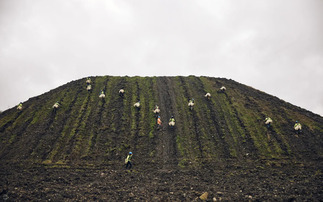
reductions. If you take tree planting as the most obvious example the
calculations are based on assumptions the trees live for 100 years, but unless
you have a crystal ball you can't guarantee that. There are also concerns
investing in offset projects could do
more
harm than good because the money saved through any energy efficiency
improvements simply gets re-invested elsewhere. This new investment, or
multiplier effect to give it its proper name, could inadvertently lead to an
increase in emissions.
Now I'm confused, should I offset or not?
Well it's up to you. Many people, including a recent
cross
party committee of MPs, argue it is a valid means of limiting carbon
emissions and can play a key role in tackling climate change. However, you do
need to be aware that there are major risks attached to any investment in
offsetting which can be limited, though not eradicated, by going with well
managed projects that are frequently audited. Also you need to accept that
offsetting can never be an effective substitute for reducing your emissions in
the first place. I'm afraid it is just not possible to really "neutralise" your
carbon emissions.
BusinessGreen takes a closer look at the government's controversial attempts to clean up the carbon offset market 21 Feb 2008
Offset providers are angry over the government's sidelining of successful emission reduction projects – and it's all Coldplay's fault 29 Jul 2008
Green group heralds new energy efficient laptops as major step forward in Apple's environmental performance 15 Oct 2008
Global logistics giant claims thousands of tiny efficiencies can deliver big carbon savings 13 Oct 2008
The entire US financial system may be on the ropes, but according to Richard Seireeni, the recently formed "Salmon Nation" financial network is doing just fine 09 Oct 2008
BusinessGreen.com casts its eye over the simplest means of harnessing some geothermal power 08 Oct 2008